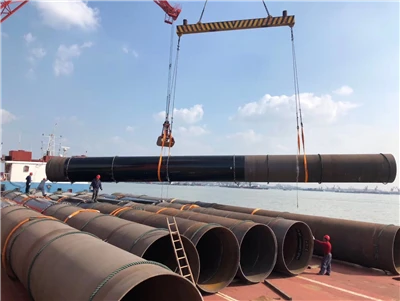
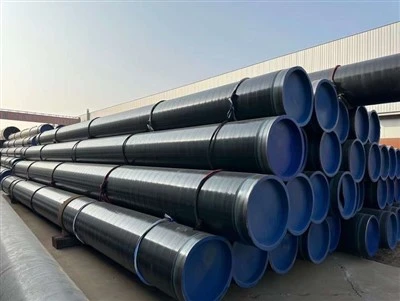
Tianjin Brisk Steel is one of the manufacturers of Painted Structural Steel Tubing in China. Our products are mainly exported to the Middle East, Southeast Asia, Europe, New Zealand, and other regions.If you would like to learn more about our products, feel free to contact us and send your purchase list.


Understanding the C350L0 Grade Designation
AS/NZS 1163 grade names follow a structured format that tells you exactly what's being certified:
- C - indicates the section is cold-formed (as opposed to hot-formed).
- 350 - the minimum yield strength in MPa.
- L0 - a Charpy V-notch impact toughness qualifier, indicating the steel is tested and certified to achieve a specified minimum impact energy at 0°C.
The practical distinction buyers need to understand: C350 and C350L0 share the same minimum yield strength (350 MPa) and tensile strength requirements - the L0 suffix does not mean higher strength. What it adds is a certified, tested guarantee of impact toughness at a specified low temperature, which matters for structural applications where brittle fracture risk is a genuine design consideration (for example, welded connections in colder climates, or structures subject to impact/dynamic loading), but is not a required or cost-justified addition for every structural project. Specifying L0 when it isn't required by the design engineer typically adds cost and can narrow available mill sources without adding real value to the structure.
Mechanical Properties
| Property | C350L0 Requirement |
|---|---|
| Minimum yield strength | 350 MPa |
| Minimum tensile strength | 430 MPa |
| Elongation | Per AS/NZS 1163 table, section-thickness dependent |
| Charpy V-notch impact energy | Certified minimum at 0°C (test temperature per L0 designation) |
| Cold-forming compliance | Manufactured and tested per AS/NZS 1163 cold-forming provisions |
Mill test certificates for C350L0 material should show Charpy impact test results specifically, not just tensile and yield figures - if a certificate only reports strength and elongation without impact test data, it has not actually demonstrated compliance with the L0 requirement and shouldn't be accepted as full evidence of grade compliance.
Available Section Sizes
| Section Type | Typical Range |
|---|---|
| Square hollow section (SHS) | 20×20 mm – 600×600 mm |
| Rectangular hollow section (RHS) | 50×25 mm – 600×400 mm |
| Circular hollow section (CHS) | 21.3 mm – 610 mm OD |
| Wall thickness | 1.6 mm – 25 mm, section-size dependent |
| Standard length | 6 m, 12 m (mill/region dependent) |
Not every mill produces the full theoretical size range in C350L0 specifically - because the L0 impact-testing requirement adds a production and certification step, some suppliers only carry it in a subset of common structural sizes and hold larger or less common sections only in standard C350. Confirming actual C350L0 availability for your specific section size before finalizing a design is worth doing early, rather than assuming full catalog availability.
Where C350L0 Is Typically Specified
- Bridge and infrastructure steelwork, where structural design codes or project specifications call for demonstrated impact toughness in primary load-bearing members
- Structures in lower-temperature service environments, where brittle fracture risk at low ambient or operating temperatures is a genuine design consideration
- Welded structural connections subject to dynamic or impact loading, where toughness at the weld-affected zone is part of the engineer's fatigue/fracture assessment
- Projects where the specifying engineer's structural design documentation explicitly calls out L0 (or another impact grade) as a contract requirement, regardless of general project type
For general low-rise commercial and residential structural framing without specific low-temperature or dynamic-loading requirements, standard C350 (without the impact qualifier) is very often the appropriate and more cost-effective specification - confirm which grade your project's structural drawings actually call for before assuming L0 is needed.
FAQ
Q: Is C350L0 stronger than standard C350?
A: No - both grades share the same minimum yield strength (350 MPa) and tensile strength requirements. The L0 suffix adds a certified impact toughness requirement at 0°C; it does not increase the section's load-bearing strength.
Q: When is C350L0 actually required instead of standard C350?
A: It's required when the project's structural design documentation specifically calls for demonstrated impact toughness - typically for bridges, infrastructure steelwork, structures in lower-temperature environments, or connections subject to dynamic/impact loading. For general structural framing without these considerations, plain C350 is very often the specified and more cost-effective grade - always confirm against the actual design drawings rather than assuming.
Q: How can I verify a mill certificate actually confirms L0 compliance?
A: Check that the certificate reports Charpy V-notch impact test results with the test temperature and measured impact energy, not just tensile strength, yield strength, and elongation. A certificate without impact test data does not demonstrate L0 compliance even if it lists the grade as "C350L0."
Q: Are all section sizes readily available in C350L0, or only common sizes?
A: Availability varies by mill. Because impact testing adds a production and certification step, some suppliers stock C350L0 only in commonly specified structural sizes and may have longer lead times or limited availability for larger or less common sections. Confirm actual stock and lead time for your specific size before finalizing project scheduling.


Hot Tags: as/nzs 1163 c350l0 cold formed hollow section, China as/nzs 1163 c350l0 cold formed hollow section manufacturers, suppliers, factory, API5L SEAMLESS LINE PIPE, hollow section brackets, hollow section demand, hollow section quality control, JIS G3466 HOLLOW SECTIONS, thin wall hollow section