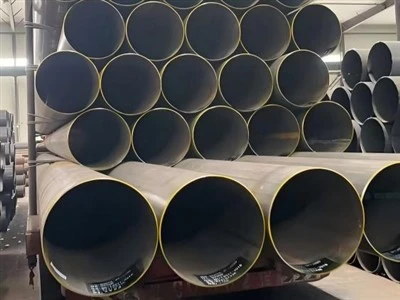
Repairing a damaged square tube is a task that requires a combination of knowledge, skills, and the right tools. As a square tube supplier, I've encountered various scenarios where customers need to fix their damaged square tubes. In this blog post, I'll share some comprehensive steps and tips on how to repair a damaged square tube effectively.
Assessing the Damage
The first step in any repair process is to assess the extent of the damage. This involves a thorough visual inspection of the square tube. Look for cracks, dents, holes, or any signs of corrosion. Minor surface scratches may not require immediate attention, but deeper cracks or significant dents can compromise the structural integrity of the tube.
If the damage is on the surface, it might be a simple matter of cosmetic repair. However, if the damage penetrates the wall of the tube, it can lead to more serious issues such as leakage or reduced load - bearing capacity. For example, in a square tube used for a structural framework, a crack can weaken the entire structure.
Gathering the Necessary Tools and Materials
Once you've assessed the damage, it's time to gather the tools and materials you'll need for the repair. The specific tools and materials will depend on the type of damage.
For Minor Surface Damage
- Sandpaper: Different grits of sandpaper can be used to smooth out scratches and remove rust. Start with a coarse - grit sandpaper to remove the rough parts and then finish with a fine - grit sandpaper for a smooth surface.
- Paint or Coating: After sanding, you'll need to apply a paint or coating to protect the tube from further corrosion. Choose a paint or coating that is suitable for the environment in which the tube will be used. For example, if the tube is exposed to the elements, use a weather - resistant paint.
For Cracks and Holes
- Welding Equipment: If the damage is a crack or a hole, welding is often the best solution. You'll need a welding machine, welding rods, and safety equipment such as welding gloves, a welding helmet, and protective clothing.
- Filler Material: Depending on the type of square tube, you'll need the appropriate filler material for welding. For example, if you're working with a steel square tube, use a steel filler rod.
- Clamps: Clamps are useful for holding the tube in place during the welding process, ensuring a proper fit and alignment.
Repairing Minor Surface Damage
If the damage is minor, such as surface scratches or light rust, the repair process is relatively straightforward.


- Clean the Surface: Use a wire brush or sandpaper to remove any loose rust, dirt, or debris from the damaged area. This will ensure that the paint or coating adheres properly.
- Sand the Area: Start with a coarse - grit sandpaper (around 80 - 100 grit) to smooth out the rough parts of the scratch or rust. Then, switch to a fine - grit sandpaper (200 - 300 grit) for a smoother finish.
- Apply Primer: If the tube is made of metal, applying a primer is essential. The primer helps to prevent further corrosion and provides a better base for the paint or coating. Let the primer dry according to the manufacturer's instructions.
- Paint or Coat the Area: Once the primer is dry, apply the paint or coating. Use a brush or a spray gun, depending on the size of the area and your preference. Apply multiple thin coats for a more durable finish, allowing each coat to dry completely before applying the next one.
Repairing Cracks and Holes
Repairing cracks and holes in a square tube is a more complex process that requires welding skills.
- Prepare the Welding Area: Clean the area around the crack or hole thoroughly. Use a grinder or a wire brush to remove any rust, paint, or debris. This will ensure a good weld.
- Align the Tube: If the crack has caused the tube to shift or if there is a hole that needs to be filled, use clamps to hold the tube in the correct position. Make sure the tube is straight and properly aligned.
- Weld the Crack or Fill the Hole: Select the appropriate welding process and filler material. For most steel square tubes, MIG (Metal Inert Gas) or TIG (Tungsten Inert Gas) welding can be used. Start welding at one end of the crack or around the edge of the hole, moving slowly and steadily. Fill the crack or hole with the filler material, making sure to create a strong and even weld.
- Grind and Finish the Weld: After the weld has cooled, use a grinder to smooth out the weld bead. This will make the repair more aesthetically pleasing and also remove any sharp edges that could cause injury.
- Inspect the Weld: Once the weld is finished, inspect it for any signs of defects such as porosity or incomplete fusion. If necessary, make additional repairs.
Preventive Maintenance
After repairing the damaged square tube, it's important to implement preventive maintenance measures to avoid future damage.
- Regular Inspections: Conduct regular visual inspections of the square tube to detect any signs of damage early. This is especially important for square tubes used in critical applications such as structural frameworks or industrial equipment.
- Proper Coating: Apply a protective coating to the tube to prevent corrosion. The type of coating will depend on the environment in which the tube is used. For example, in a marine environment, a marine - grade paint or coating should be used.
- Avoid Overloading: Make sure the square tube is not overloaded beyond its designed capacity. Overloading can cause stress and lead to cracks or other types of damage.
High - Quality Square Tubes from Our Supply
As a square tube supplier, we offer a wide range of high - quality square tubes, including En10210 Hot Finished Structural Hollow Sections, EN 10210 S460ML HOLLOW SECTION, and EN 10210 S355J2H HOLLOW SECTION. Our square tubes are made from premium materials and are manufactured to strict quality standards, ensuring durability and reliability.
If you're in need of square tubes for your projects or have any questions about square tube repair, we're here to help. Whether you're a contractor, a DIY enthusiast, or an industrial user, we can provide you with the right square tubes and expert advice. Contact us today to start a conversation about your square tube needs and explore the possibilities of working together.
References
- "Welding Handbook", American Welding Society
- "Structural Steel Design", Lin T.Y. and Stotesbury J.E.
- "Corrosion Prevention and Control", Fontana M.G.