

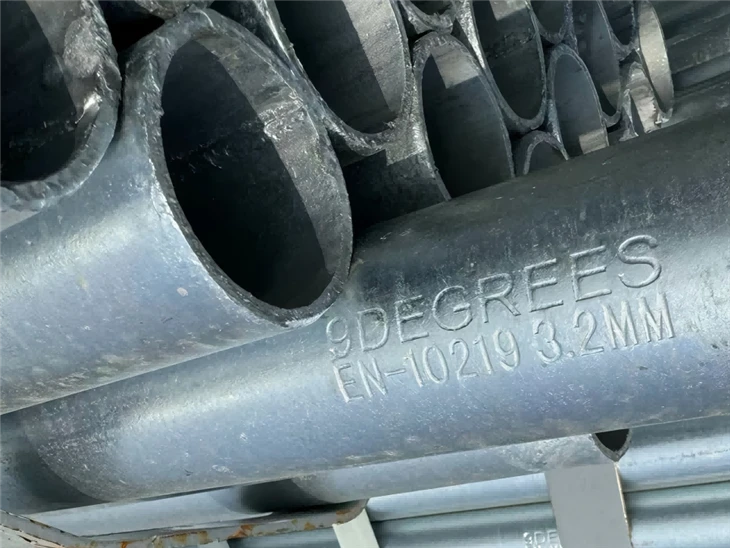
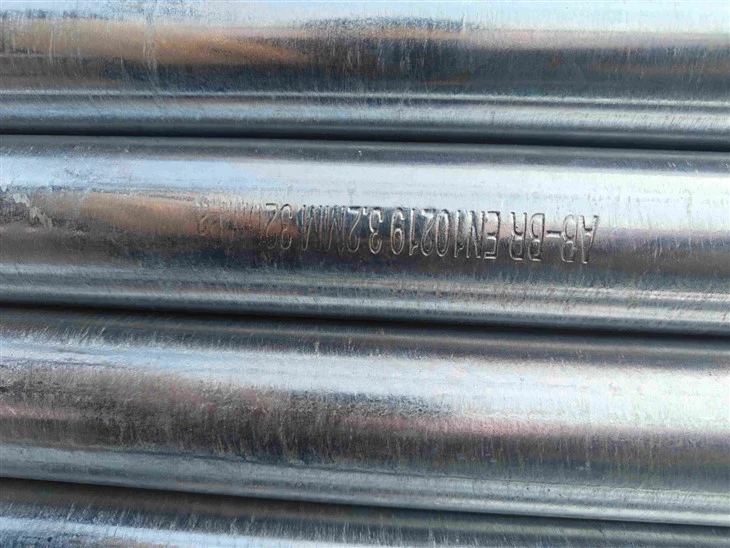
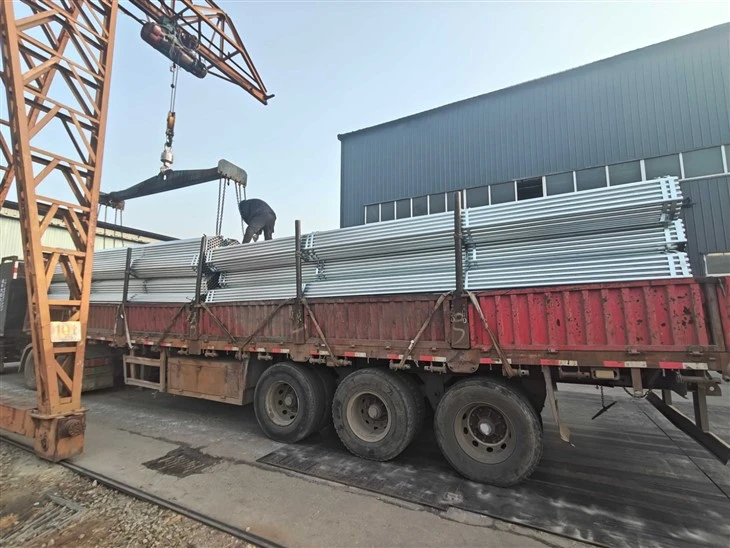
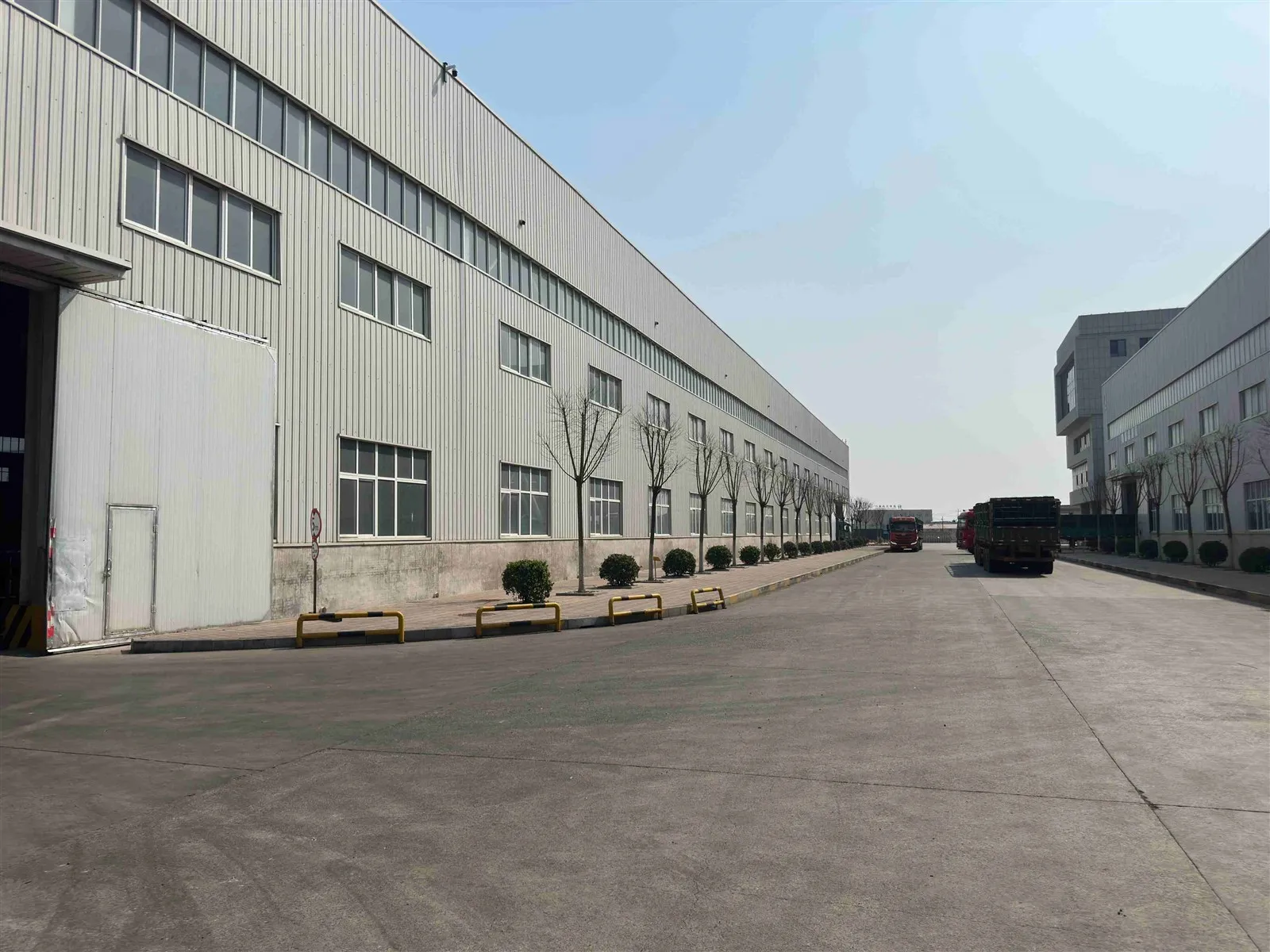
Tianjin Brisk Metalwork Co., Ltd. is one of the leading manufacturers and suppliers of en 10219 3.2mm scaffolding pipe in China. We have world-leading production equipment and strong manufacturing capabilities. Please feel free to buy bulk durable en 10219 3.2mm scaffolding pipe from our factory.
Tianjin Brisk Steel is one of the manufacturers of EN 10219 3.2MM Scaffolding Pipe / cold-formed welded structural circular hollow sections in China. Our products are mainly exported to the Middle East, Southeast Asia, Europe, New Zealand, and other regions.If you would like to learn more about our products, feel free to contact us and send your purchase list.
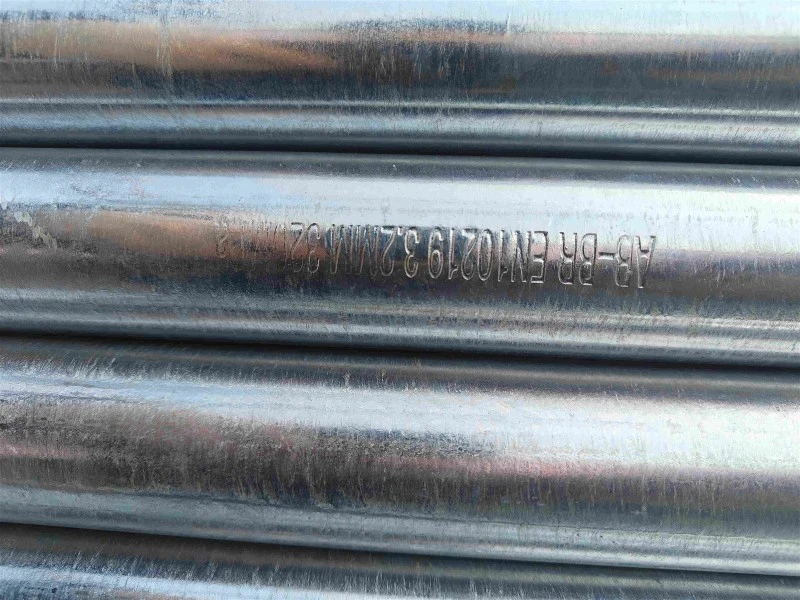
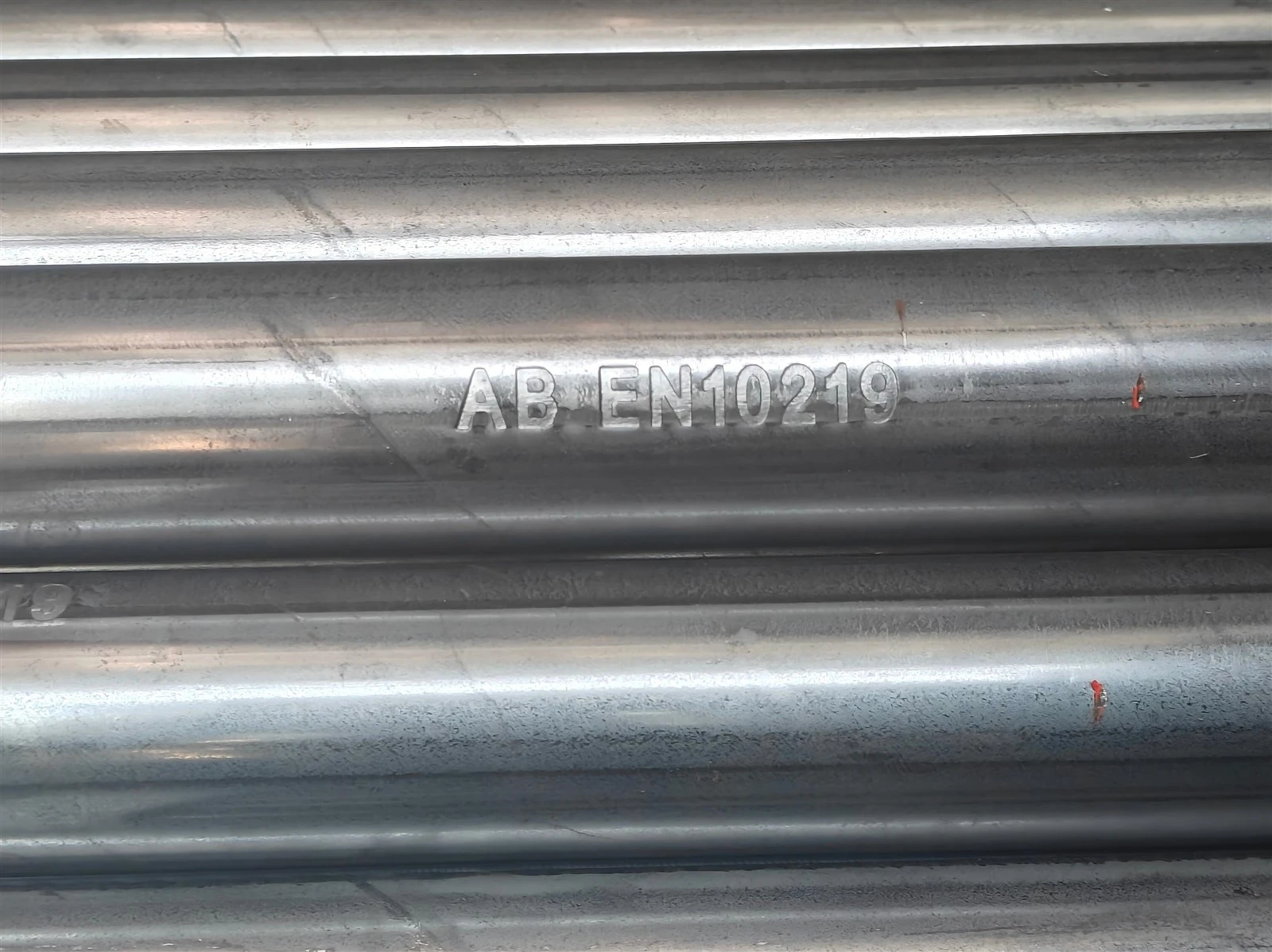
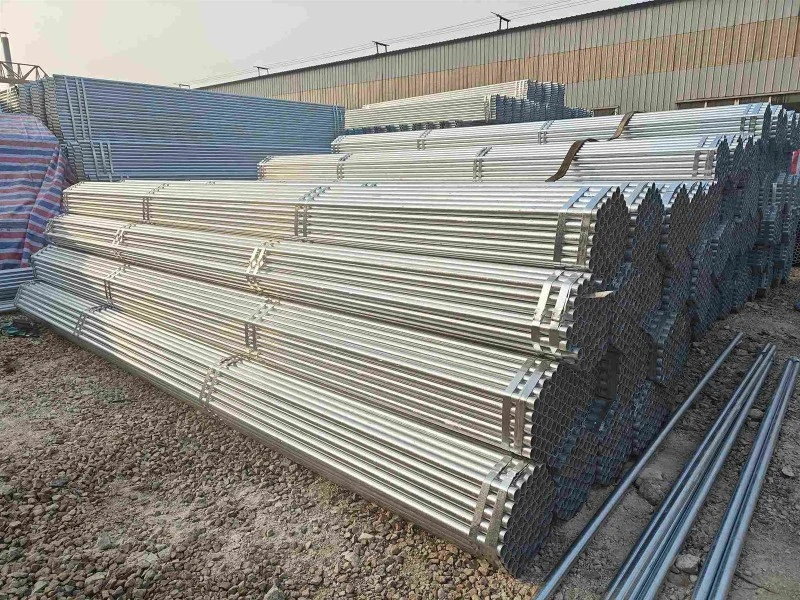
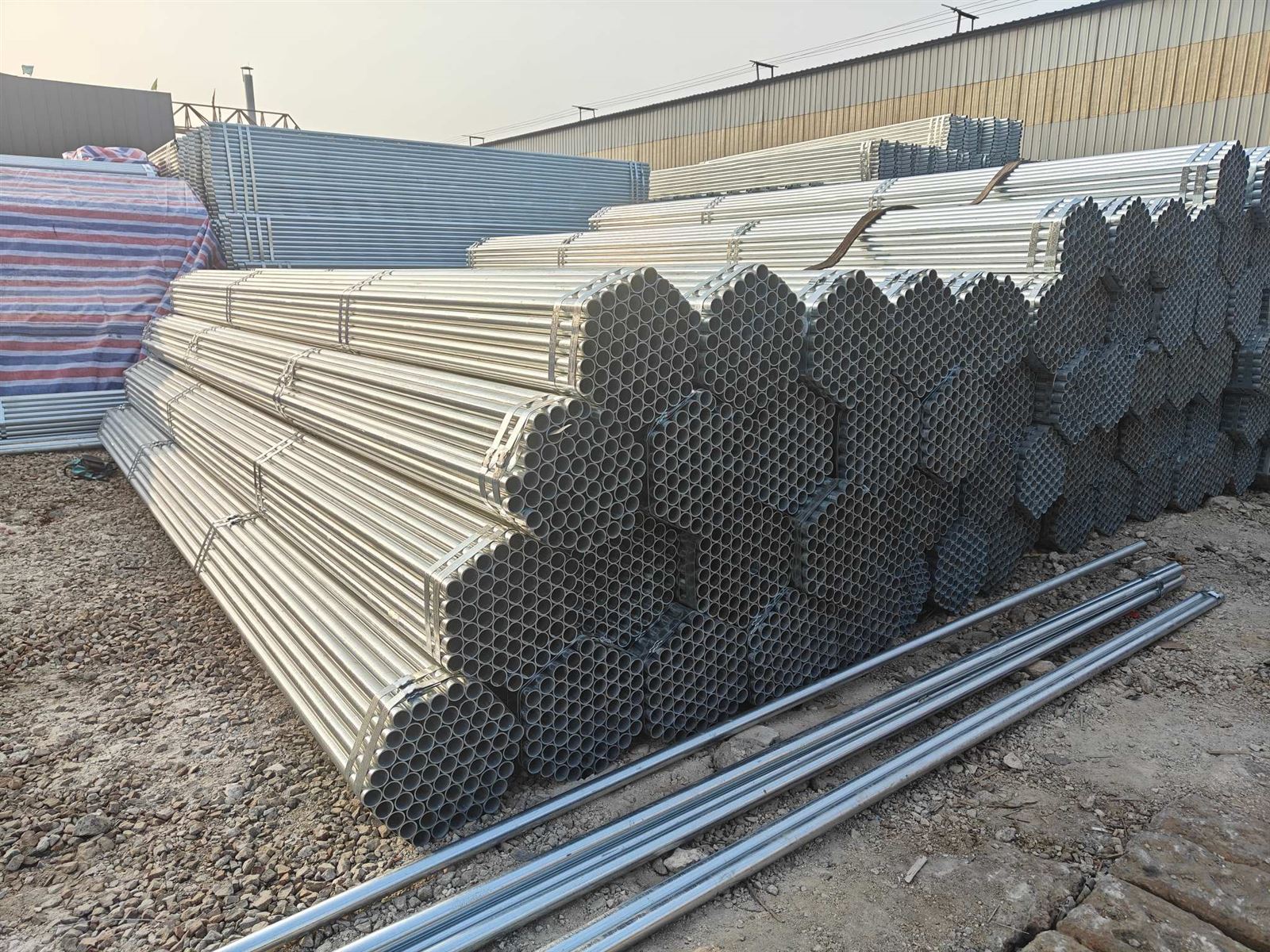
Process Of EN 10219 Scaffolding Pipe
Sourcing certified structural tube-and-fitting scaffolding requires a clear understanding of the mechanical and metallurgical parameters defined by European standards:
- EN 10219 Standard Compliance: Specifies cold-formed welded structural circular hollow sections (CHS). It dictates rigorous manufacturing benchmarks for wall thickness concentricity, outer diameter tolerances, straightness, and mass per unit length.
- Optimized 3.2mm Wall Profile: While traditional heavy scaffolding uses 4.0mm nominal walls, the engineered 3.2mm wall thickness profile utilizes higher-tensile steel strip chemistry to achieve equivalent structural load ratings with nearly a 20% reduction in total tube weight. This weight reduction accelerates manual erection times, lowers site worker fatigue, and optimizes transport container payloads.
- Outer Diameter (OD) Sizing (48.3mm / 1.90"): Produced to the strict outer diameter standard of 48.3mm, ensuring 100% compatibility with standard drop-forged and press-steel scaffolding couplers, sleeve joints, and swivel fittings.
-
Material Grade Main members: S235JRH / S275JRH (H-series tubing for cold forming); premium option S355J2H
| Performance Value | S235JRH | S275JRH |
|---|---|---|
| Yield strength Min | 235 MPa | 275 MPa |
| Tensile strength | 360–510 MPa | 410–560 MPa |
| Elongation ≥ | 24% | 23% |
| Room-temperature impact 20℃ | 27J | 27J |
- Wall thickness tolerance: ±10%; outer diameter tolerance: ±0.5 mm or ±1% (whichever is greater).
ERW Production Process
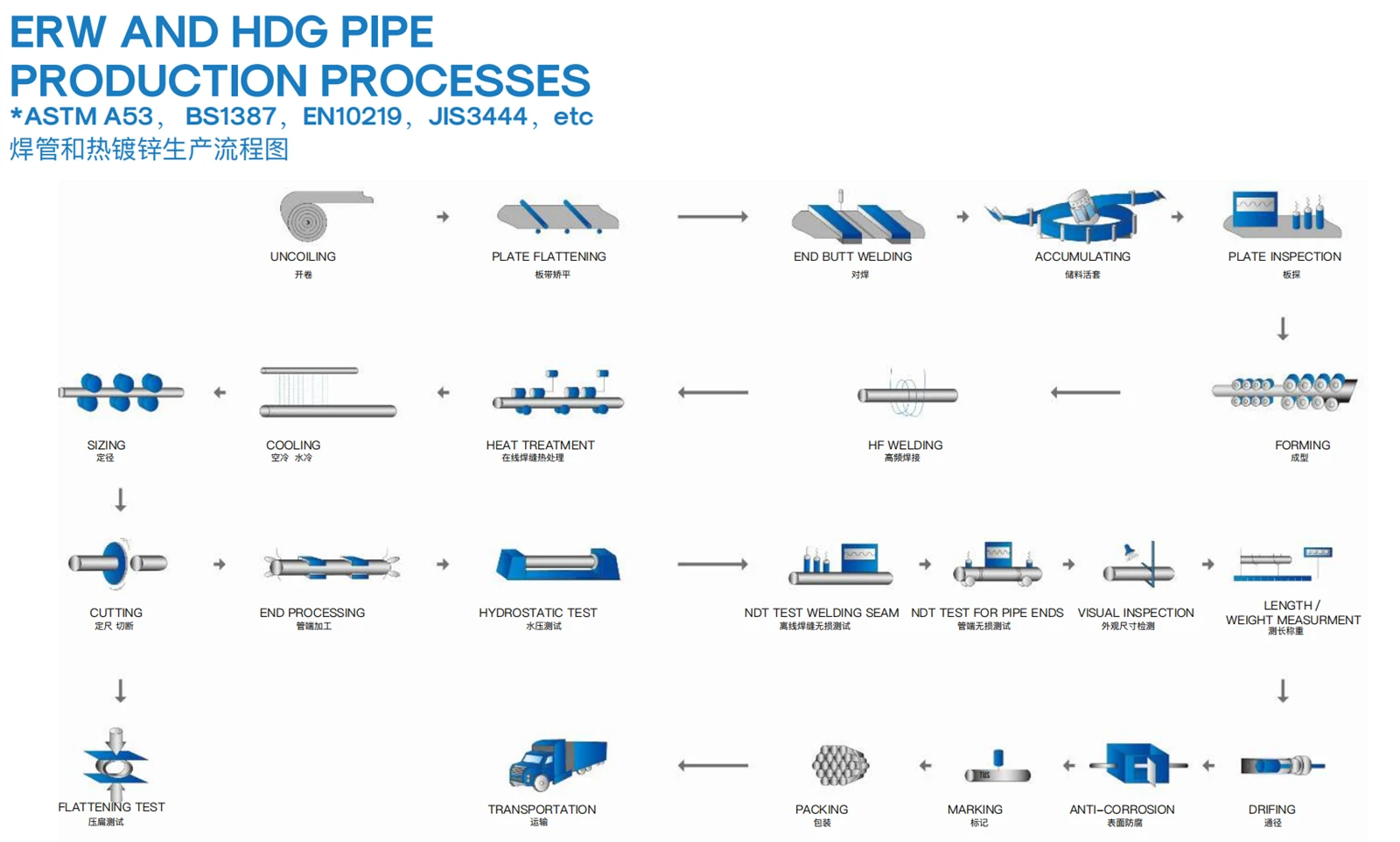
Two surface options available
- Black Tube: Pickled with anti-rust oil; low-cost option for temporary construction sites.
- Hot-Dip Galvanized (HDG): Zinc coating 55–85μm (200–600g/m²); suitable for coastal or humid sites; compliant with ISO 1461.
- Pipe end treatment: Plain cut, deburred; plastic protective caps available.
Why Choose Brisk Steel Scaffolding Pipe?
Eliminating the common issue of undersized wall thickness
- Low-cost pipes on the market labeled as "3.2mm" often have actual wall thicknesses of only 2.7–2.9mm, exceeding negative tolerance limits. Our factory adheres to the EN10219 standard (±10% tolerance) with continuous online wall-thickness monitoring; third-party inspections-measuring thickness at three points (both ends and the middle)-consistently meet all requirements, and video documentation of these measurements is available.
Solving brittleness and cracking caused by recycled scrap steel
- We use only virgin steel billets from blast furnaces, rejecting recycled scrap and strictly controlling upper limits for harmful elements like sulfur and phosphorus. Competing pipes made from recycled steel are prone to cracking upon impact in low-temperature environments, often failing site inspections in regions like Northern Europe and New Zealand during winter.
Eliminating weld seam protrusions and breakage risks
- We employ ERW high-frequency welding combined with a process that mills down both internal and external weld beads, resulting in a smooth pipe surface without protrusions; this prevents localized stress concentrations that could damage clamping fasteners. In contrast, small factories often grind only the external weld, leaving internal beads that press against the pipe wall and cause hidden cracks over time.
Solving issues with missed galvanization and zinc nodules
- Our fully enclosed hot-dip galvanizing line ensures thorough pickling and fluxing, eliminating missed spots or "black spots." Small workshops using rudimentary galvanizing methods often produce pipes with numerous zinc nodules; these protrusions abrade fasteners and lead to premature coating failure and rusting.
Addressing straightness and bending deformation
- Finished pipes undergo multiple straightening stages, achieving a straightness tolerance of ≤0.2% over the total length. Low-cost pipes are highly susceptible to bending during storage and handling, leading to crooked scaffolding structures and requiring time-consuming, labor-intensive manual straightening.
Shipping Details Of Scaffolding Pipe


Frequently Asked Questions (FAQ)
Q: Can your tubes pass local construction authority inspection in EU?
A:Yes. We supply full set supporting documents: original MTC mill test certificate, SGS/BV third-party test reports, tensile & Charpy impact test records. All dimension, material and load indicators meet EU construction supervision requirements without rejection risk.
Q: What's the difference between S235JRH and S275JRH scaffold tube?
A: S275JRH has 40MPa higher minimum yield strength, better anti-deformation and anti-collision performance during repeated rental cycles. It has longer service life, ideal for scaffold hire firms; S235JRH is cost-effective for short-term building projects.
Q: What standard does your 3.2mm scaffold tube comply with?
A: Our scaffolding pipe strictly follows EN 10219-1&2 for cold formed ERW hollow sections, together with construction scaffold safety standard EN 39. It also matches BS 1139 for UK market and meets AS/NZS 1576 test requirements for Australia & New Zealand. Full CE marking, ISO 9001 factory certification are available.
Q: What's your MOQ and production lead time?
A: MOQ: One 20GP full container; stock black tubes can be delivered within 15-20 days. Custom galvanized order lead time 25-30 working days.



Hot Tags: en 10219 3.2mm scaffolding pipe, China en 10219 3.2mm scaffolding pipe manufacturers, suppliers, factory


