


Hey there! I'm a supplier of SSAW steel pipes, and today I wanna talk about the recycling process for SSAW steel pipe. It's a topic that's not only important for the environment but also for the long - term viability of our industry.
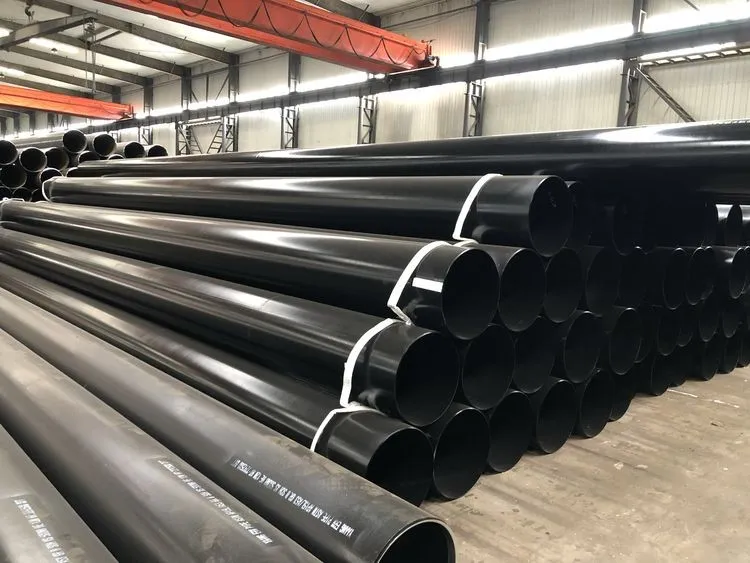
First off, let's understand what SSAW steel pipes are. SSAW stands for Spiral Submerged Arc Welded. These pipes are made by winding a steel strip in a spiral shape and then welding the edges together using a submerged arc welding process. They're widely used in various industries like oil and gas, water supply, and construction because of their good strength and relatively low cost.
Now, onto the recycling process. The first step in recycling SSAW steel pipes is collection. We, as suppliers, often play a role in this. Sometimes, customers return old or unused SSAW pipes to us. Also, there are specialized scrap collectors who go around to construction sites, industrial facilities, and other places where SSAW pipes might be discarded. They gather these pipes and transport them to recycling centers.
Once the pipes reach the recycling center, the next step is inspection. Workers at the center carefully examine the pipes. They check for things like damage, corrosion, and the presence of any contaminants. If a pipe is severely damaged or corroded, it might need some pre - treatment before further processing. For example, if there's a lot of rust on the pipe, they might use a shot - blasting machine to remove it. This process involves shooting small metal particles at high speed onto the surface of the pipe to clean it up.
After inspection and pre - treatment, the pipes are cut into smaller pieces. This is done for a couple of reasons. Firstly, smaller pieces are easier to handle and melt. Secondly, it helps in separating any non - steel components that might be attached to the pipes, like rubber gaskets or plastic coatings. Specialized cutting equipment, such as hydraulic shears or plasma cutters, are used to make these cuts.
The cut pieces are then sent to a furnace. The furnace is where the real magic happens. The temperature inside the furnace is extremely high, usually around 1600 degrees Celsius. At this temperature, the steel in the pipes melts. During the melting process, other substances are added to the molten steel to adjust its chemical composition. For example, if the recycled steel needs to have a certain level of carbon or other alloying elements, these are carefully measured and added to the furnace.
Once the steel has melted and its composition has been adjusted, it's ready to be shaped into new products. There are different ways to do this. One common method is continuous casting. In continuous casting, the molten steel is poured into a mold, and as it cools and solidifies, it forms a long, rectangular shape called a billet. These billets can then be further processed into new SSAW steel pipes or other steel products.
Another method is rolling. The molten steel can be rolled into sheets or strips. These sheets or strips can later be used to make new SSAW pipes. The rolling process involves passing the steel through a series of rollers that gradually reduce its thickness and shape it into the desired form.
Recycling SSAW steel pipes has a ton of benefits. For one, it's great for the environment. Producing new steel from recycled materials uses significantly less energy compared to producing steel from raw materials like iron ore. This means fewer greenhouse gas emissions and a smaller carbon footprint. It also helps in conserving natural resources. Instead of mining more iron ore, we can reuse existing steel, which is a finite resource.
In addition to the environmental benefits, recycling is also cost - effective. The cost of recycling steel is generally lower than the cost of producing new steel from scratch. This cost - savings can be passed on to customers, making SSAW steel pipes more affordable.
Now, I wanna mention some related products. If you're in the market for different types of steel pipes, you might be interested in ASTM A671/A671M LSAW Steel Pipe. These pipes are made using a Longitudinal Submerged Arc Welding process and are known for their high - quality and precision. You can also check out LSAW Steel Pipe and LSAW Pipes for more options.

If you're looking to purchase SSAW steel pipes or have any questions about the recycling process or our products, don't hesitate to get in touch. We're always here to help and can offer you the best solutions for your needs. Whether you're a construction company, an oil and gas firm, or any other business that requires steel pipes, we've got you covered.
References
- "Steel Recycling Handbook", Industry Publication
- "Advances in Steel Manufacturing and Recycling", Academic Journal


