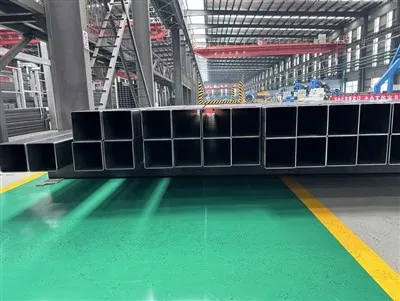
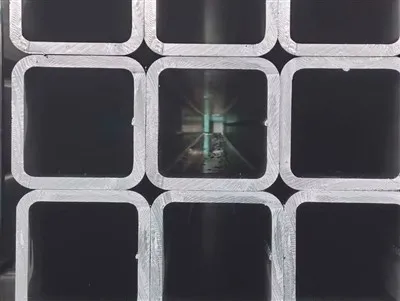
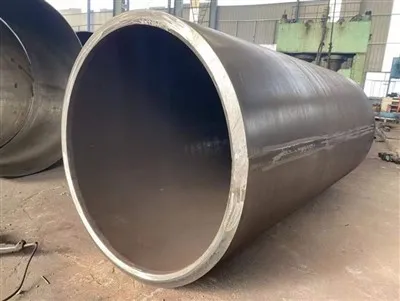
When it comes to sourcing ASTM A500 hollow sections, understanding the differences between cold - formed and hot - formed products is crucial. As a reliable supplier of ASTM A500 HOLLOW SECTIONS, I've witnessed firsthand how these variations can impact project outcomes. In this blog, I'll delve into the distinctions between cold - formed and hot - formed ASTM A500 hollow sections, highlighting their unique characteristics, applications, and benefits.
Manufacturing Processes
Let's start with the fundamental difference: the manufacturing processes. Hot - formed ASTM A500 hollow sections are produced at extremely high temperatures, typically above the recrystallization temperature of the steel. The steel is heated until it becomes malleable, then it is shaped into the desired hollow section using various forming techniques such as rolling or extrusion. This high - temperature process allows the steel to be easily manipulated into complex shapes, and it also helps to refine the grain structure of the steel, resulting in a more uniform and homogeneous material.
On the other hand, cold - formed ASTM A500 hollow sections are fabricated at room temperature. The steel is first cut into the appropriate lengths and then formed into the hollow section using presses, rollers, or other cold - working methods. Cold - forming relies on the ductility of the steel to reshape it without the need for heating. This process can introduce residual stresses into the material due to the plastic deformation that occurs during forming.
Mechanical Properties
The manufacturing processes have a significant impact on the mechanical properties of the hollow sections. Hot - formed ASTM A500 hollow sections generally have better ductility. The high - temperature forming process refines the grain structure, which allows the steel to deform plastically over a large range before fracturing. This makes hot - formed sections suitable for applications where the structure may be subjected to large deformations, such as in seismic - resistant buildings.
In terms of strength, cold - formed ASTM A500 hollow sections often have higher yield and ultimate tensile strengths. The cold - working process increases the dislocation density within the steel, which in turn strengthens the material. However, this increase in strength comes at the expense of ductility. Cold - formed sections are more brittle compared to their hot - formed counterparts and may have a reduced ability to absorb energy during deformation.
Dimensional Accuracy
Cold - formed ASTM A500 hollow sections typically offer superior dimensional accuracy. The cold - forming process allows for precise control of the section dimensions, resulting in tight tolerances. This is particularly important for applications where the hollow sections need to fit together precisely, such as in pre - fabricated building components or in the manufacturing of machinery.
Hot - formed ASTM A500 hollow sections may have slightly looser dimensional tolerances. The high - temperature forming process can cause some thermal expansion and contraction, which can make it more challenging to achieve the same level of dimensional precision as cold - formed sections. However, modern manufacturing techniques have significantly improved the dimensional accuracy of hot - formed sections over the years.
Surface Finish
The surface finish of the two types of hollow sections also differs. Cold - formed ASTM A500 hollow sections usually have a smoother surface finish. The cold - working process does not involve the high - temperature oxidation that occurs during hot - forming, so there is no scale or oxide layer on the surface. This smooth surface can be beneficial for applications where aesthetics are important or where the section will be coated or painted.
Hot - formed ASTM A500 hollow sections may have a rougher surface due to the presence of scale, which is formed during the high - temperature process. The scale needs to be removed through additional processing steps such as pickling or shot - blasting before the section can be painted or coated.
Applications
The differences in mechanical properties, dimensional accuracy, and surface finish make each type of ASTM A500 hollow section suitable for different applications.


Hot - formed ASTM A500 hollow sections are commonly used in large - scale structural applications, such as bridges, high - rise buildings, and industrial structures. Their good ductility and ability to withstand large deformations make them ideal for structures that need to resist dynamic loads, such as wind and earthquake forces.
Cold - formed ASTM A500 hollow sections are often used in applications where high strength and dimensional accuracy are required. They are popular in the construction of light - frame buildings, fencing, and in the manufacturing of automotive components. For example, cold - formed sections are commonly used in the construction of pre - fabricated wall panels and floor joists due to their high strength - to - weight ratio and precise dimensions.
Cost Considerations
Cost is also an important factor to consider when choosing between cold - formed and hot - formed ASTM A500 hollow sections. Cold - forming generally requires less energy compared to hot - forming since it is done at room temperature. However, the equipment and tooling for cold - forming can be more expensive, especially for complex shapes.
Hot - forming may have higher energy costs due to the need to heat the steel to high temperatures. But for large - scale production, the economies of scale can make hot - formed sections more cost - effective. Additionally, the cost of post - processing, such as scale removal for hot - formed sections, needs to be factored into the overall cost.
Conclusion
In summary, both cold - formed and hot - formed ASTM A500 hollow sections have their own unique advantages and disadvantages. The choice between the two depends on the specific requirements of the application, including mechanical properties, dimensional accuracy, surface finish, and cost. As a supplier of ASTM A500 HOLLOW SECTIONS, I can provide you with detailed information and guidance to help you select the most suitable type of hollow section for your project.
If you're interested in ASTM A36 Hollow Sections, Rectangular Hollow Section, or En 10210 S355nh Hollow Section, we can also assist you. Whether you need hot - formed or cold - formed ASTM A500 hollow sections, we have the expertise and resources to meet your needs. If you're considering a purchase, I encourage you to reach out to us for a detailed discussion. We can provide you with samples, specifications, and competitive quotes. Let's work together to ensure the success of your project.
References
- American Iron and Steel Institute (AISI). "Cold - Formed Steel Design Manual".
- Steel Construction Institute (SCI). "Structural Use of Steelwork in Building".
- ASTM International. "ASTM A500 Standard Specification for Cold - Formed Welded and Seamless Carbon Steel Structural Tubing in Rounds and Shapes".