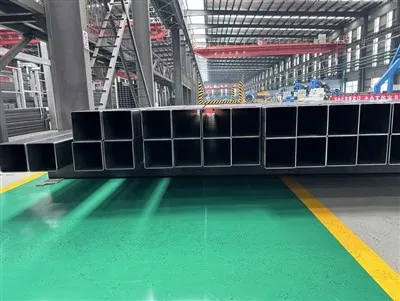
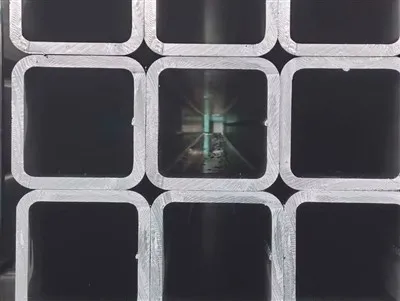
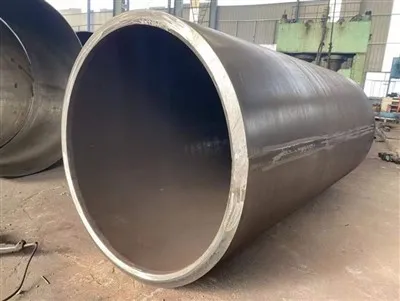
As a supplier of AS 1163 hollow sections, I often encounter inquiries from customers regarding the most suitable cutting tools for these sections. AS 1163 hollow sections are widely used in various industries due to their high strength, durability, and versatility. Selecting the appropriate cutting tools is crucial to ensure clean, precise cuts and maintain the integrity of the sections. In this blog post, I will discuss several types of cutting tools that are well - suited for AS 1163 hollow sections.
1. Band Saws
Band saws are a popular choice for cutting AS 1163 hollow sections. They work by using a continuous band of toothed metal that rotates around two or more wheels. The teeth on the band saw blade cut through the metal as the blade moves.
One of the main advantages of band saws is their ability to make straight, accurate cuts. The constant motion of the blade ensures a smooth cutting process, reducing the risk of rough edges or uneven cuts. Band saws can be adjusted to cut at different angles, which is useful for creating mitered joints or angled cuts in the hollow sections.
When choosing a band saw blade for AS 1163 hollow sections, it is important to consider the tooth pitch. A finer tooth pitch is suitable for thinner - walled sections, as it provides a cleaner cut. For thicker - walled sections, a coarser tooth pitch may be more appropriate, as it can remove material more quickly.
2. Circular Saws
Circular saws are another common cutting tool for AS 1163 hollow sections. They use a circular blade with teeth around the edge to cut through the metal. Circular saws are known for their speed and portability, making them a convenient option for on - site cutting.
There are two main types of circular saws used for cutting metal: cold saws and abrasive saws. Cold saws use a toothed blade to cut through the metal, similar to a band saw. The teeth on a cold saw blade are designed to shear the metal, resulting in a clean cut with minimal heat generation. This is important for AS 1163 hollow sections, as excessive heat can cause distortion or damage to the material.
Abrasive saws, on the other hand, use a high - speed abrasive wheel to cut through the metal. The abrasive wheel grinds through the material, creating a cut. While abrasive saws can cut through metal quickly, they tend to generate more heat and produce a rougher cut compared to cold saws. However, they are often more affordable and can be a good option for less - precise cutting applications.
3. Plasma Cutters
Plasma cutters are a powerful cutting tool that uses a high - velocity jet of ionized gas (plasma) to cut through metal. Plasma cutters are capable of cutting through thick - walled AS 1163 hollow sections with ease, and they can make very precise cuts.
One of the key advantages of plasma cutters is their speed. They can cut through metal much faster than traditional saws, which can save time and increase productivity. Plasma cutters can also cut through a variety of metals, including stainless steel and aluminum, in addition to AS 1163 steel.
However, plasma cutters do have some limitations. They require a power source and a supply of compressed air or gas, which can make them less portable than saws. Additionally, the cutting process can generate a significant amount of heat and noise, and it may require proper ventilation to ensure a safe working environment.
4. Laser Cutters
Laser cutters are a high - precision cutting tool that uses a focused laser beam to cut through metal. Laser cutters are capable of making extremely accurate cuts, with tolerances as low as a few thousandths of an inch.

The laser beam melts and vaporizes the metal, creating a clean, smooth cut. Laser cutters can cut through AS 1163 hollow sections of various thicknesses, and they can be programmed to cut complex shapes and patterns. This makes them ideal for applications where high precision is required, such as in the manufacturing of architectural components or precision machinery parts.
However, laser cutters are relatively expensive and require specialized training to operate. They also have a limited cutting capacity in terms of the thickness of the material they can cut, and the cutting speed may be slower compared to other cutting tools for thicker sections.
5. Considerations When Choosing Cutting Tools
When selecting a cutting tool for AS 1163 hollow sections, there are several factors to consider:
- Section Thickness: Thinner - walled sections require different cutting tools and techniques than thicker - walled sections. For example, a fine - toothed saw blade or a laser cutter may be more suitable for thin sections, while a plasma cutter or a circular saw with a coarser blade may be better for thick sections.
- Cutting Precision: If high precision is required, such as for creating joints or fitting parts together, a laser cutter or a cold saw may be the best choice. For less - precise applications, an abrasive saw or a plasma cutter may be sufficient.
- Portability: If the cutting needs to be done on - site, a portable circular saw or a hand - held plasma cutter may be more convenient. For in - shop cutting, a stationary band saw or laser cutter may be a better option.
- Cost: The cost of the cutting tool, including the initial purchase price, operating costs, and maintenance costs, should be considered. Some cutting tools, such as laser cutters, are more expensive upfront but may offer long - term savings in terms of precision and productivity.
6. Related Products
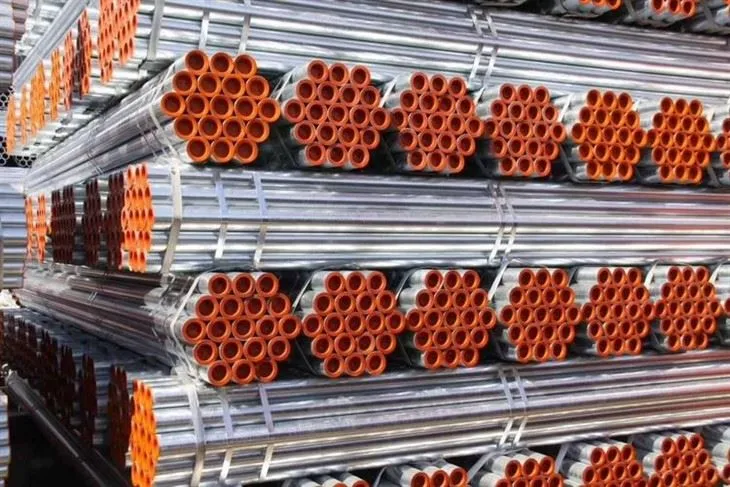
In addition to AS 1163 hollow sections, we also supply other related products such as BS1387 GALVANIZED STEEL PIPE, EN10219 S355JR HOLLOW SECTIONS, and ASTM A618/A618M STEEL HOLLOW SECTIONS. These products have their own unique properties and applications, and the same cutting tools can often be used for them with appropriate adjustments.
7. Conclusion
Selecting the right cutting tools for AS 1163 hollow sections is essential for achieving high - quality cuts and ensuring the success of your projects. Band saws, circular saws, plasma cutters, and laser cutters all have their own advantages and limitations, and the choice depends on factors such as section thickness, cutting precision, portability, and cost.
If you are in the market for AS 1163 hollow sections or need advice on the best cutting tools for your specific application, please feel free to contact us. Our team of experts is ready to assist you in making the right choices and ensuring that you get the most out of your materials.
References
- "Metal Cutting Handbook", Industrial Press Inc.
- "Cutting Technology for Metals", ASM International.