


Hey there! As a supplier of SSAW steel pipes, I've seen firsthand how crucial it is to get the installation right. SSAW (Spiral Submerged Arc Welded) steel pipes are widely used in various industries, from oil and gas to water supply. But if you don't follow the proper installation precautions, you could run into all sorts of problems down the line. So, let's dive into what you need to know before you start installing SSAW steel pipes.
Site Preparation
First things first, you've got to prep the site properly. This means checking the ground conditions. The ground should be stable and level. If it's not, you might end up with a pipe that's unevenly supported, which can lead to stress on the pipe and eventually cause leaks or even breaks. You can use a leveling instrument to make sure the ground is flat within the acceptable tolerance.
Also, clear the area of any debris, rocks, or other obstacles that could damage the pipe during installation. You don't want a sharp rock poking a hole in your brand - new Ssaw Pipe. It's a good idea to mark out the path where the pipe will be laid, so everyone on the installation team knows exactly where to work.
Handling the Pipes
When it comes to handling SSAW steel pipes, you need to be extra careful. These pipes are heavy and can be easily damaged if not handled correctly. Use appropriate lifting equipment, like cranes or forklifts, that are rated for the weight of the pipes. Make sure the lifting slings or chains are in good condition and properly attached to the pipes.

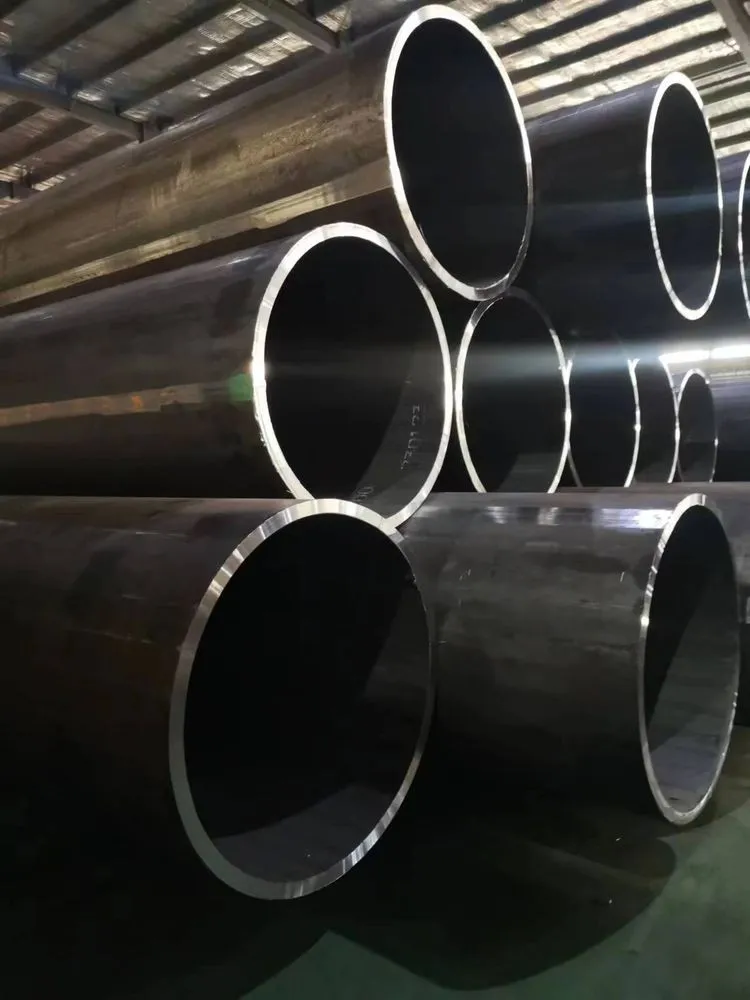
Avoid dragging the pipes on the ground, as this can scratch the surface and damage the protective coating. If the coating is damaged, the pipe is more likely to corrode over time. Instead, use rollers or skids to move the pipes into place. And always wear proper personal protective equipment (PPE), like gloves and safety glasses, when handling the pipes.
Pipe Alignment
Proper pipe alignment is key. Misaligned pipes can cause stress at the joints, which can lead to leaks or joint failures. Before you start welding or connecting the pipes, use alignment tools to make sure the pipes are in a straight line. This includes checking both the horizontal and vertical alignment.
For long - runs of pipes, it's a good idea to use a theodolite or a laser level to ensure accurate alignment. If you're connecting pipes at an angle, make sure the angle is precise according to the design specifications. Any deviation from the correct alignment can cause problems later on.
Welding Precautions
Welding is a critical part of SSAW steel pipe installation. You need to use the right welding process and materials. The welding rods or wires should be compatible with the type of steel in the pipe. For example, if you're working with ASTM A671/A672 CL42 STEEL PIPE, you need to use welding materials that are suitable for that specific grade of steel.
The welding area should be clean and free of rust, oil, or other contaminants. You can use a wire brush or a grinder to clean the pipe ends before welding. Make sure the welder is properly trained and certified. Welding defects, like porosity or lack of fusion, can weaken the joint and lead to failures.
During the welding process, maintain the correct welding parameters, such as current, voltage, and welding speed. These parameters can vary depending on the thickness of the pipe wall and the type of welding process being used. After welding, inspect the welds for any signs of defects. You can use non - destructive testing methods, like ultrasonic testing or X - ray testing, to check the quality of the welds.
Joint Sealing
Once the pipes are welded or connected, you need to seal the joints properly. This helps prevent leaks and protects the joint from corrosion. Use high - quality sealing materials, like gaskets or sealants, that are compatible with the pipe and the fluid or gas that will be flowing through it.
For example, if the pipe is going to be used for water supply, you need to use a sealant that is safe for drinking water. Make sure the sealing materials are installed correctly, following the manufacturer's instructions. Check the seals for any signs of damage or improper installation before backfilling the trench.
Backfilling
After the pipes are installed and the joints are sealed, it's time to backfill the trench. But you can't just dump any old dirt back into the trench. Use clean, granular material, like sand or gravel, for the first layer of backfill. This layer should be at least 6 inches thick and should be carefully placed around the pipe to provide support.
Avoid using large rocks or chunks of clay in the backfill, as they can damage the pipe. Compact the backfill in layers to prevent settlement. Settlement can put stress on the pipe and cause it to break. You can use a plate compactor or a vibrating roller to compact the backfill.
Pressure Testing
Before putting the pipe system into service, you need to conduct a pressure test. This test helps ensure that the pipes and joints can withstand the operating pressure without leaking. Fill the pipe system with water or another appropriate test fluid and gradually increase the pressure to the specified test pressure.
Hold the pressure for a certain period of time, usually around 30 minutes, and check for any signs of leaks. If you find a leak, mark the location and repair it before continuing the test. Once the test is successful, you can drain the test fluid and prepare the pipe system for operation.
Corrosion Protection
SSAW steel pipes are susceptible to corrosion, especially if they are exposed to harsh environments. To protect the pipes, you can apply a protective coating, like epoxy or polyethylene. Make sure the coating is applied evenly and completely, covering all surfaces of the pipe.
In addition to the coating, you can also use cathodic protection. This involves installing sacrificial anodes or using impressed current systems to prevent corrosion. Regularly inspect the pipes for any signs of corrosion, especially at the joints and areas where the coating may have been damaged.
Documentation
Keep detailed records of the installation process. This includes information about the pipe specifications, welding procedures, pressure test results, and any repairs or modifications made during the installation. Documentation is important for quality control and for future reference. If there are any problems with the pipe system later on, you can refer to the documentation to figure out what went wrong.
Conclusion
Installing SSAW steel pipes requires careful planning and attention to detail. By following these installation precautions, you can ensure a successful installation and a long - lasting pipe system. If you're in the market for high - quality SSAW steel pipes, we've got you covered. Whether you need ASTM A671/A672 CL42 STEEL PIPE or ASTM A252 Piling Pipe, we have a wide range of options to meet your needs.
If you have any questions about our products or the installation process, don't hesitate to reach out. We're here to help you with all your SSAW steel pipe needs. Contact us today to start a conversation about your project and let's work together to get the job done right.
References
- American Society for Testing and Materials (ASTM) standards related to steel pipes
- Manufacturer's installation guides for SSAW steel pipes
- Industry best practices for pipeline installation and maintenance


