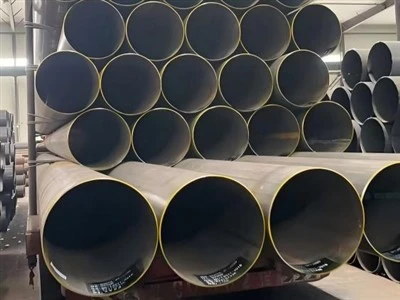
As a supplier of Galvanized Steel Pipe, I often get asked about how to measure the diameter of these pipes. It might seem like a simple task, but there are actually a few things you need to keep in mind to get an accurate measurement. In this blog post, I'll walk you through the process and share some tips to make sure you're doing it right.
Why Measuring the Diameter Matters
Before we dive into the how-to, let's talk about why measuring the diameter of a galvanized steel pipe is so important. The diameter is a critical dimension that affects the pipe's performance and compatibility with other components. Whether you're using the pipe for plumbing, construction, or any other application, getting the right diameter is crucial for ensuring a proper fit and efficient operation.
For example, if you're connecting a pipe to a fitting, the diameter needs to match precisely to prevent leaks and ensure a secure connection. In industrial settings, accurate diameter measurements are essential for maintaining the integrity of a piping system and preventing costly downtime due to failures.
Tools You'll Need
To measure the diameter of a galvanized steel pipe, you'll need a few basic tools:
- Calipers: A good pair of calipers is the most accurate way to measure the diameter of a pipe. You can use either digital or analog calipers, depending on your preference and the level of precision you need.
- Tape Measure: A tape measure can be used to get a rough estimate of the diameter, especially for larger pipes. However, it's not as accurate as calipers and is best used as a secondary method.
- Pipe Micrometer: A pipe micrometer is a specialized tool designed specifically for measuring the diameter of pipes. It provides a more precise measurement than a tape measure and is easier to use than calipers for some applications.
Measuring the Outside Diameter (OD)
The outside diameter (OD) of a galvanized steel pipe is the measurement of the pipe's outer surface. This is the most common way to specify the size of a pipe and is used for determining the compatibility of pipes and fittings.
Here's how to measure the OD using calipers:
- Open the Calipers: Adjust the calipers to a width slightly larger than the expected diameter of the pipe.
- Place the Calipers on the Pipe: Carefully place the calipers around the pipe, making sure they are perpendicular to the pipe's axis.
- Close the Calipers: Gently close the calipers until they make contact with the pipe's outer surface. Make sure the calipers are centered on the pipe and are not tilted.
- Read the Measurement: Once the calipers are in place, read the measurement on the display or scale. Make sure to take the measurement at several points along the length of the pipe to ensure accuracy, as the diameter may vary slightly due to manufacturing tolerances.
If you're using a tape measure to measure the OD, wrap the tape measure around the pipe and note the measurement at the point where the tape meets itself. Divide this measurement by π (pi) to get the approximate OD. Keep in mind that this method is less accurate than using calipers and is best used as a rough estimate.
Measuring the Inside Diameter (ID)
The inside diameter (ID) of a galvanized steel pipe is the measurement of the pipe's inner surface. This measurement is important for determining the flow capacity of a pipe and for selecting the appropriate size of valves and other components.
Measuring the ID is a bit more challenging than measuring the OD, as you need to access the inside of the pipe. Here's how to do it using calipers:
- Insert the Calipers into the Pipe: Carefully insert the calipers into the pipe, making sure they are centered and perpendicular to the pipe's axis.
- Open the Calipers: Slowly open the calipers until they make contact with the pipe's inner surface. Make sure the calipers are not touching the pipe's edges or any debris inside the pipe.
- Read the Measurement: Once the calipers are in place, read the measurement on the display or scale. As with the OD measurement, take the measurement at several points along the length of the pipe to ensure accuracy.
If the pipe is too small to insert calipers, you can use a pipe micrometer or a specialized ID measuring tool. These tools are designed to fit inside the pipe and provide a more accurate measurement.
Measuring the Wall Thickness
In addition to the OD and ID, it's also important to measure the wall thickness of a galvanized steel pipe. The wall thickness affects the pipe's strength, durability, and pressure rating.
Here's how to measure the wall thickness using calipers:
- Measure the OD: First, measure the outside diameter of the pipe using the method described above.
- Measure the ID: Next, measure the inside diameter of the pipe using the method described above.
- Calculate the Wall Thickness: Subtract the ID from the OD and divide the result by 2. This will give you the wall thickness of the pipe.
For example, if the OD of a pipe is 2 inches and the ID is 1.75 inches, the wall thickness would be (2 - 1.75) / 2 = 0.125 inches.


Understanding Pipe Sizes
It's important to note that the nominal size of a galvanized steel pipe does not always correspond to its actual outside diameter. For example, a 1-inch nominal pipe may have an actual OD of 1.315 inches. This is because the nominal size is based on the approximate inside diameter of the pipe and is used for standardization purposes.
When specifying the size of a pipe, it's important to use both the nominal size and the actual OD to ensure that you're getting the right product for your application. You can find the actual OD and other specifications for different pipe sizes in the ASTM A53 GR.B ERW STEEL PIPE and ASTM A672 EFW Pipes standards.
Tips for Accurate Measurements
Here are some tips to help you get accurate measurements of galvanized steel pipes:
- Clean the Pipe: Before measuring the pipe, make sure it's clean and free of debris, rust, or other contaminants. This will ensure that the calipers or other measuring tools make good contact with the pipe's surface and provide an accurate measurement.
- Measure at Multiple Points: As mentioned earlier, the diameter of a pipe may vary slightly along its length due to manufacturing tolerances. To get an accurate measurement, take the measurement at several points along the length of the pipe and average the results.
- Use the Right Tool for the Job: Different tools are better suited for different applications. For example, calipers are best for measuring small pipes and providing a high level of precision, while a tape measure is more convenient for measuring larger pipes and getting a rough estimate.
- Follow the Manufacturer's Instructions: When using a measuring tool, make sure to follow the manufacturer's instructions carefully to ensure accurate results. This may include calibrating the tool before use and using the correct technique for taking measurements.
Conclusion
Measuring the diameter of a galvanized steel pipe is a simple but important task that requires the right tools and techniques. By following the steps outlined in this blog post and using the tips provided, you can ensure that you're getting accurate measurements and selecting the right pipe for your application.
If you're in the market for high-quality Galvanized Steel Pipe, look no further. As a leading supplier of galvanized steel pipes, we offer a wide range of sizes and specifications to meet your needs. Our pipes are manufactured to the highest standards of quality and are backed by our commitment to customer satisfaction.
If you have any questions or need help selecting the right pipe for your project, please don't hesitate to contact us. We're here to help you make the right choice and ensure the success of your project.
References
- ASTM International. ASTM A53/A53M - 18a, Standard Specification for Pipe, Steel, Black and Hot-Dipped, Zinc-Coated, Welded and Seamless.
- ASTM International. ASTM A672/A672M - 18, Standard Specification for Electric-Fusion-Welded Steel Pipe for High-Pressure Service at Moderate Temperatures.