As a supplier of LSAW steel pipes, I've witnessed firsthand the intricacies of the industry, especially when it comes to how pipe length impacts transportation costs. In this blog, I'll delve into the details of this relationship, sharing insights based on years of experience in the field.
The Basics of LSAW Steel Pipes
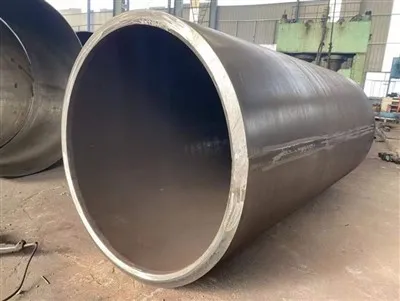
Longitudinally Submerged Arc Welded (LSAW) steel pipes are a crucial component in various industries, including oil and gas, water supply, and construction. These pipes are known for their high strength, excellent weld quality, and ability to withstand high pressure. They are manufactured by bending a steel plate longitudinally and then welding the edges using a submerged arc welding process. The result is a pipe that offers superior performance and reliability, making it a popular choice for many applications.
Factors Affecting Transportation Costs
Transportation costs for LSAW steel pipes are influenced by several factors, with pipe length being one of the most significant. Here's how different aspects of pipe length interact with transportation expenses:
Loading Capacity
One of the primary considerations is the loading capacity of the transport vehicle. Trucks, trains, and ships all have specific dimensions and weight limits. Longer pipes may require special handling equipment and may not fit as efficiently into standard shipping containers or on trucks. For example, a standard truck trailer has a fixed length, and if the LSAW pipes are too long, they may protrude from the trailer, which can lead to additional permitting requirements and safety concerns. This can increase the overall transportation cost as more resources are needed to ensure safe and legal transportation.
Handling and Manipulation
Longer pipes are more difficult to handle and manipulate compared to shorter ones. Loading and unloading operations require more time and labor, which adds to the cost. Specialized equipment such as cranes and forklifts may be needed to move the pipes safely. Moreover, the risk of damage during handling is higher for longer pipes, which can result in additional costs for repairs or replacements.
Shipping Routes and Infrastructure
The length of the pipes can also affect the choice of shipping routes. Some roads, bridges, and tunnels have restrictions on the length of vehicles and cargo. Longer pipes may require alternative routes, which could be longer and more expensive. Additionally, the infrastructure at the origin and destination points, such as ports and warehouses, may need to be equipped to handle longer pipes. If the facilities are not suitable, modifications or additional equipment may be necessary, increasing the overall transportation cost.


Cost Analysis: Short vs. Long Pipes
To better understand the impact of pipe length on transportation costs, let's compare the transportation of short and long LSAW steel pipes.
Short Pipes
Short LSAW pipes are generally easier to transport. They can be loaded more efficiently into standard shipping containers or on trucks, reducing the need for special handling. The loading and unloading process is quicker, requiring less labor and equipment. As a result, the transportation cost per unit length for short pipes is often lower. However, if a large quantity of short pipes is required, the number of shipments may increase, which can offset some of the savings.
Long Pipes
Long pipes, on the other hand, may require specialized transportation methods. They may need to be transported on flatbed trucks or by rail, which can be more expensive. The handling and manipulation of long pipes also add to the cost. However, in some cases, long pipes can be more cost - effective in terms of the overall project. For example, in a pipeline project, using longer pipes reduces the number of joints, which can save on installation costs and improve the overall integrity of the pipeline.
Strategies to Minimize Transportation Costs
As a LSAW steel pipes supplier, we are constantly looking for ways to minimize transportation costs for our customers. Here are some strategies we recommend:
Optimize Pipe Length
Work with our engineering team to determine the optimal pipe length for your project. By considering the transportation requirements, handling capabilities, and project specifications, we can find a balance between the benefits of longer pipes (such as fewer joints) and the cost of transportation.
Consolidate Shipments
If possible, consolidate multiple orders into a single shipment. This can reduce the number of trips and lower the overall transportation cost. We can coordinate with other customers in the same area to combine shipments and take advantage of economies of scale.
Choose the Right Transportation Mode
Evaluate different transportation modes based on the pipe length, quantity, and destination. For shorter distances, trucks may be the most cost - effective option, while for longer distances, rail or sea transportation may be more suitable. We have partnerships with reliable shipping companies and can help you choose the best mode for your needs.
Conclusion
In conclusion, the length of LSAW steel pipes has a significant impact on transportation costs. Longer pipes present challenges in terms of loading capacity, handling, and shipping routes, which can increase the overall cost. However, they also offer advantages in some projects, such as reduced installation costs. As a LSAW STEEL PIPES supplier, we understand these complexities and are committed to providing our customers with cost - effective solutions.
If you're in the market for LSAW PIPE or SSAW STEEL PIPES, we'd love to discuss your project requirements and help you find the best solution. Contact us to start a conversation about your procurement needs.
References
- "Transportation Economics: Principles and Practice" by John P. Commins
- "Steel Pipe Handbook" by the American Petroleum Institute