Are AS 1163 Hollow Sections Suitable for High - Rise Building Construction?
As a supplier of AS 1163 Hollow Sections, I've been asked numerous times about the suitability of these sections for high - rise building construction. In this blog, I'll delve into the characteristics of AS 1163 Hollow Sections and evaluate their viability for high - rise projects.
Understanding AS 1163 Hollow Sections
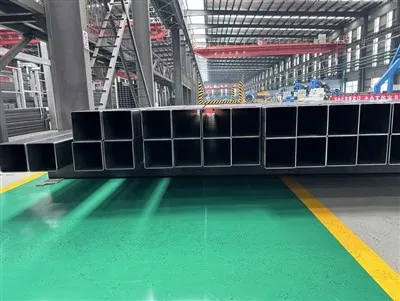
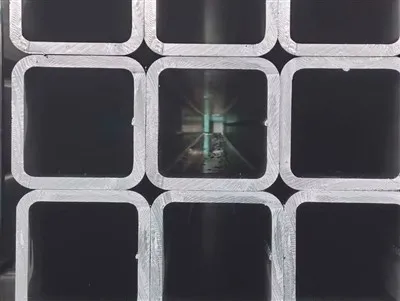
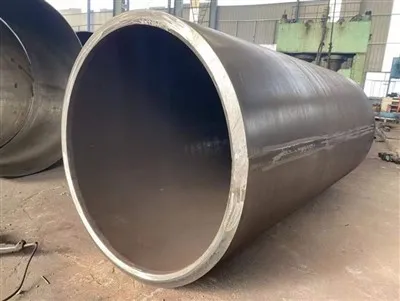
AS 1163 is an Australian standard that specifies the requirements for cold - formed welded structural hollow sections of structural steel. These hollow sections come in various shapes, such as square, rectangular, and circular. They are known for their high strength - to - weight ratio, which is a crucial factor in construction, especially for high - rise buildings.
The manufacturing process of AS 1163 Hollow Sections involves cold - forming, which imparts a high degree of precision and uniformity to the sections. This precision ensures that the sections can be easily fabricated and assembled on - site, reducing construction time and costs.
Advantages of AS 1163 Hollow Sections in High - Rise Building Construction
1. Structural Strength
One of the primary reasons AS 1163 Hollow Sections are considered for high - rise buildings is their excellent structural strength. The closed - section design of these hollow sections provides high resistance to bending, torsion, and axial loads. In high - rise buildings, where the structure has to withstand significant wind and seismic forces, this strength is invaluable. For example, the tubular shape of circular and square hollow sections distributes the loads evenly around the perimeter, reducing stress concentrations and enhancing the overall stability of the building.
2. Aesthetic Appeal
In addition to their structural benefits, AS 1163 Hollow Sections offer aesthetic advantages. Their clean and modern appearance can enhance the architectural design of high - rise buildings. Architects can use these sections to create unique and visually appealing facades, columns, and other structural elements. The smooth surfaces of the hollow sections can also be easily finished with various coatings, such as paint or powder coating, to match the building's design concept.
3. Cost - Efficiency
When it comes to cost, AS 1163 Hollow Sections can be a cost - effective solution for high - rise construction. Their high strength - to - weight ratio means that less material is required to achieve the same level of structural performance compared to other traditional building materials. This reduction in material usage not only lowers the material cost but also reduces transportation and handling costs. Moreover, the ease of fabrication and installation of these sections can further contribute to cost savings during the construction process.
4. Sustainability
Sustainability is a growing concern in the construction industry, and AS 1163 Hollow Sections offer some environmental benefits. Steel is a highly recyclable material, and the use of AS 1163 Hollow Sections in high - rise buildings can contribute to a more sustainable construction approach. At the end of the building's life cycle, the steel sections can be recycled and reused, reducing the demand for new raw materials and minimizing waste.
Challenges and Considerations
1. Fire Resistance
One of the main challenges associated with using AS 1163 Hollow Sections in high - rise buildings is their fire resistance. Steel is a good conductor of heat, and in the event of a fire, the temperature of the steel sections can rise rapidly, leading to a loss of strength. To address this issue, fire - protection measures such as fire - resistant coatings or encasement with fire - rated materials need to be applied to the hollow sections. These additional measures can increase the cost and complexity of the construction process.


2. Corrosion Protection
Another consideration is corrosion. Steel is prone to corrosion when exposed to moisture and oxygen. In high - rise buildings, especially those located in coastal areas or with high humidity levels, proper corrosion protection is essential to ensure the long - term durability of the AS 1163 Hollow Sections. This can be achieved through the application of anti - corrosion coatings, galvanizing, or the use of stainless steel alloys.
3. Design and Engineering Requirements
Using AS 1163 Hollow Sections in high - rise construction requires careful design and engineering. The structural behavior of these sections under different loading conditions needs to be accurately analyzed to ensure the safety and stability of the building. Engineers need to consider factors such as the interaction between the hollow sections and other structural elements, the effects of wind and seismic forces, and the overall structural integrity of the building.
Comparison with Other Hollow Section Standards
When evaluating the suitability of AS 1163 Hollow Sections for high - rise construction, it's also useful to compare them with other international standards. For instance, ASTM A501 STEEL HOLLOW SECTIONS are widely used in North America. ASTM A501 has similar characteristics to AS 1163 in terms of strength and fabrication properties, but there may be differences in the chemical composition and manufacturing processes.
Square Tube is another popular option, which can be produced according to various standards. Square tubes offer similar advantages in terms of structural performance and aesthetic appeal. However, the specific requirements and quality control measures may vary depending on the standard.
EN 10210 S460NH HOLLOW SECTIONS are European standards that are known for their high - strength and weather - resistant properties. These sections are often used in high - rise buildings in Europe. Comparing AS 1163 with EN 10210 S460NH can help in making an informed decision based on the specific requirements of the high - rise project, such as the local climate, building codes, and design preferences.
Conclusion
In conclusion, AS 1163 Hollow Sections have several advantages that make them a viable option for high - rise building construction. Their structural strength, aesthetic appeal, cost - efficiency, and sustainability are significant factors that contribute to their suitability. However, challenges such as fire resistance, corrosion protection, and design requirements need to be carefully addressed.
If you're considering using AS 1163 Hollow Sections for your high - rise building project, I encourage you to contact me for more information. We can discuss your specific requirements, provide detailed technical specifications, and offer competitive pricing. Whether you're an architect, engineer, or contractor, I'm here to assist you in making the right choice for your construction needs.
References
- Australian Standard AS 1163: Cold - formed welded structural hollow sections of structural steel.
- Design guides and handbooks on steel construction for high - rise buildings.
- Research papers on the performance of steel hollow sections under different loading conditions.