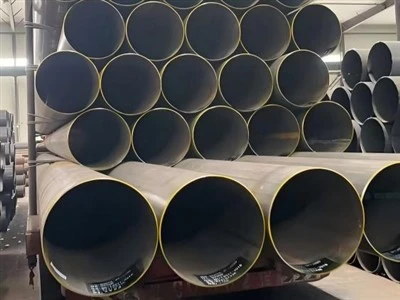
What is the magnetic property of ASTM A36 hollow sections?
As a reliable supplier of ASTM A36 hollow sections, I've encountered numerous inquiries regarding the magnetic properties of these versatile structural components. In this blog post, I'll delve into the science behind the magnetic characteristics of ASTM A36 hollow sections, exploring the factors that influence them and their practical implications in various applications.
Understanding ASTM A36 Hollow Sections
Before we discuss their magnetic properties, let's briefly understand what ASTM A36 hollow sections are. ASTM A36 is a standard specification for carbon structural steel, which is one of the most commonly used materials in construction and general engineering applications. Hollow sections made from ASTM A36 steel are characterized by their rectangular, square, or circular cross - sections and are widely used due to their good strength, weldability, and formability.


The Basics of Magnetism in Steel
Magnetism in materials is primarily determined by the arrangement of their atomic structure. Ferromagnetic materials, such as iron, nickel, and cobalt, have a unique atomic structure that allows them to be strongly attracted to magnets and can be magnetized themselves. Steel, which is mainly an alloy of iron, can exhibit ferromagnetic properties.
ASTM A36 steel is predominantly composed of iron, with small amounts of carbon and other alloying elements. The iron content in ASTM A36 is the key factor that gives it ferromagnetic properties. At the atomic level, the iron atoms in the steel have unpaired electrons. These unpaired electrons create magnetic moments, and when a large number of these magnetic moments align in the same direction, they generate a net magnetic field, making the material magnetic.
Factors Influencing the Magnetic Property of ASTM A36 Hollow Sections
- Chemical Composition
- While iron is the main contributor to magnetism, other alloying elements in ASTM A36 can have an impact on its magnetic properties. For example, elements like carbon can affect the crystal structure of the steel. A higher carbon content can lead to the formation of different phases within the steel, which may alter the alignment of the magnetic moments and thus influence the overall magnetic behavior.
- However, the carbon content in ASTM A36 is relatively low (typically up to 0.29%), so its effect on magnetism is not as significant as the iron content. Other alloying elements such as manganese, phosphorus, and sulfur are present in even smaller amounts and generally have a minor influence on the magnetic properties.
- Heat Treatment
- Heat treatment processes can also modify the magnetic properties of ASTM A36 hollow sections. Annealing, for instance, is a heat treatment process that involves heating the steel to a specific temperature and then slowly cooling it. This process can relieve internal stresses and change the grain structure of the steel. A more uniform grain structure may lead to better alignment of the magnetic moments, potentially enhancing the magnetic properties.
- On the other hand, quenching, which involves rapid cooling, can result in a harder and more brittle steel with a different crystal structure. This can disrupt the alignment of the magnetic moments and reduce the magnetic strength of the material.
- Mechanical Deformation
- Mechanical processes such as cold working or hot rolling can cause changes in the magnetic properties of ASTM A36 hollow sections. Cold working, which involves deforming the steel at room temperature, can introduce internal stresses and change the crystal orientation of the grains. This can affect the alignment of the magnetic moments and may lead to a change in the magnetic behavior of the material.
- Hot rolling, when done properly, can produce a more uniform grain structure, which may have a positive effect on the magnetic properties. However, if the rolling process is not well - controlled, it can also introduce inhomogeneities in the steel, which can influence magnetism.
Practical Implications of the Magnetic Property of ASTM A36 Hollow Sections
- Magnetic Detection and Inspection
- The ferromagnetic nature of ASTM A36 hollow sections makes them suitable for magnetic particle inspection (MPI). MPI is a non - destructive testing method used to detect surface and near - surface defects in ferromagnetic materials. In this process, a magnetic field is applied to the steel section, and iron particles are then applied to the surface. If there are any defects, such as cracks, the magnetic field will be disrupted, and the iron particles will accumulate at the defect site, making it visible for inspection.
- Electromagnetic Applications
- In some electromagnetic applications, the magnetic properties of ASTM A36 hollow sections can be utilized. For example, in electrical transformers or inductors, ferromagnetic materials are used to enhance the magnetic field. Although ASTM A36 may not be the first choice for high - performance electrical applications compared to specialized electrical steels, it can still be used in some less demanding electromagnetic setups.
- Handling and Storage
- The magnetic property of ASTM A36 hollow sections can also affect their handling and storage. Since they are attracted to magnets, they can be easily lifted and moved using magnetic lifting devices, which can improve the efficiency of material handling in a construction or manufacturing site. However, care must be taken during storage to avoid unwanted magnetization or interference with other magnetic or electronic equipment in the vicinity.
Comparison with Other Related Products
When comparing ASTM A36 hollow sections with other similar products, such as API 5L PSL1 X65 Line Pipe, EN 10210 STRUCTURAL HOLLOW SECTIONS, and ASTM A1085 HOLLOW SECTION, their magnetic properties can vary.
API 5L PSL1 X65 Line Pipe is designed for oil and gas transportation. It has different chemical compositions and mechanical properties compared to ASTM A36. While it also contains iron and is ferromagnetic, its alloying elements and heat treatment may be optimized for corrosion resistance and high - pressure applications, which can subtly affect its magnetic behavior.
EN 10210 structural hollow sections are manufactured according to European standards. The steel composition and manufacturing processes may differ from ASTM A36, resulting in potentially different magnetic properties. However, since both are mainly iron - based, they will generally exhibit ferromagnetic behavior.
ASTM A1085 hollow sections are often used in high - performance structural applications. They may have different alloying elements and microstructures compared to ASTM A36, which can lead to variations in their magnetic characteristics.
Conclusion
In conclusion, ASTM A36 hollow sections are ferromagnetic due to their high iron content. The magnetic properties of these sections are influenced by factors such as chemical composition, heat treatment, and mechanical deformation. Understanding these magnetic properties is crucial for various applications, from non - destructive testing to material handling.
If you are in the market for high - quality ASTM A36 hollow sections or want to learn more about their magnetic properties and how they can fit into your specific project, we are here to assist you. Feel free to reach out to us for a detailed discussion and to explore how our products can meet your requirements.
References
- ASM Handbook Volume 1: Properties and Selection: Irons, Steels, and High - Performance Alloys. ASM International.
- ASTM International. ASTM A36/A36M - 21 Standard Specification for Carbon Structural Steel.
- European Committee for Standardization. EN 10210 - 1:2006 Cold formed welded structural hollow sections of non - alloy and fine grain steels - Part 1: Technical delivery conditions.