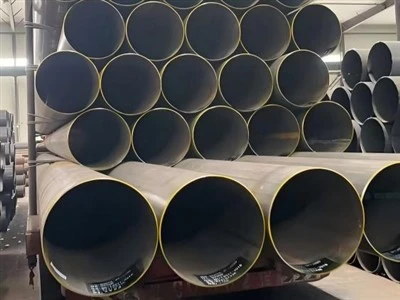
Hey there! As a supplier of steel hollow sections, I've seen firsthand how important it is to store these products properly to avoid damage. In this blog post, I'll share some of the best practices I've learned over the years.
1. Choose the Right Storage Location
First things first, you need to pick a suitable storage area. A dry and well - ventilated place is a must. Moisture is the enemy of steel hollow sections as it can lead to rusting. If you store them in a damp environment, even for a short period, the sections can start to corrode.
An indoor storage facility is ideal. Warehouses are great because you can control the humidity and temperature. If indoor storage isn't an option, an outdoor area with proper covering can work. But make sure the cover is waterproof and can withstand strong winds. You don't want it flying off and exposing the sections to the elements.
2. Prepare the Storage Surface
The surface where you place the steel hollow sections matters a lot. It should be flat and stable. Uneven surfaces can cause the sections to bend or deform. If you're storing them on the ground, consider using wooden pallets or concrete blocks. These will elevate the sections slightly, preventing direct contact with the ground and reducing the risk of moisture absorption.
Also, keep the storage area clean. Remove any debris, dirt, or sharp objects that could scratch the steel. Scratches can compromise the protective coating of the sections, making them more vulnerable to corrosion.


3. Organize the Sections
Proper organization makes it easier to access the sections and reduces the risk of damage during handling. Group the sections by size, shape, and grade. This way, when you need a specific type of section, you can find it quickly without having to move a bunch of other sections around.
Stacking is a common way to store steel hollow sections. But be careful when stacking. Don't stack them too high, as this can cause the bottom sections to bear too much weight and deform. The maximum stacking height depends on the size and strength of the sections. As a general rule, keep the stacks stable and make sure the weight is evenly distributed.
4. Protect the Sections from Physical Damage
Steel hollow sections can get dented, scratched, or bent during storage. To prevent this, use protective materials. You can wrap the sections with plastic film or use rubber pads between the sections when stacking. These materials act as a buffer and reduce the impact of contact between the sections.
When handling the sections, use appropriate lifting equipment such as cranes or forklifts. Make sure the lifting equipment is in good condition and the operators are well - trained. Mishandling during lifting can cause serious damage to the sections.
5. Implement a Regular Inspection Schedule
Regular inspections are crucial to catch any signs of damage or corrosion early. Check the sections at least once a month. Look for rust spots, dents, or any other visible signs of damage. If you notice any issues, take immediate action.
For example, if you find a small rust spot, you can clean it and apply a rust - inhibiting paint. If a section is bent or deformed, you may need to decide whether it can still be used or if it needs to be replaced.
6. Consider the Coating and Treatment
Many steel hollow sections come with a protective coating or treatment. This coating helps prevent corrosion and extends the lifespan of the sections. When storing the sections, make sure to protect this coating. Avoid using abrasive materials when cleaning or handling the sections, as this can damage the coating.
If the coating gets damaged during storage, you may need to re - apply it. Follow the manufacturer's instructions for the best results.
7. Follow Industry Standards
There are several industry standards that provide guidelines for storing steel hollow sections. For example, EN 10210 STRUCTURAL HOLLOW SECTIONS and AS/NZS 1163 C350/C450 HOLLOW STRUCTURAL SECTION offer detailed information on storage and handling requirements. These standards are based on extensive research and experience, so it's a good idea to follow them.
Another important standard is related to the quality of the steel itself. API5l Seamless Steel Pipe sets the requirements for seamless steel pipes, which are a type of steel hollow section. Adhering to these standards ensures that you're storing the sections in the best possible way.
8. Train Your Staff
Your staff plays a key role in the proper storage of steel hollow sections. Make sure they are trained on the best practices. Teach them how to handle the sections safely, how to stack them correctly, and how to conduct inspections.
Provide them with the necessary safety equipment, such as gloves and safety glasses. A well - trained staff is less likely to cause damage to the sections during storage and handling.
Conclusion
Storing steel hollow sections properly is essential to avoid damage and ensure their quality. By choosing the right storage location, preparing the surface, organizing the sections, protecting them from physical damage, implementing regular inspections, considering the coating, following industry standards, and training your staff, you can significantly reduce the risk of damage.
If you're in the market for high - quality steel hollow sections, we're here to help. We offer a wide range of sections that meet various industry standards. Whether you need them for construction, manufacturing, or any other application, we've got you covered. Contact us to start a procurement discussion and find the perfect steel hollow sections for your project.
References
- General knowledge from years of experience in the steel hollow section supply industry.
- Industry standards such as EN 10210, AS/NZS 1163, and API5l.