Hey there! I'm an ERW pipe supplier, and I often get asked this question: "Is special training required to install ERW pipes?" Well, let's dig into this topic and find out.
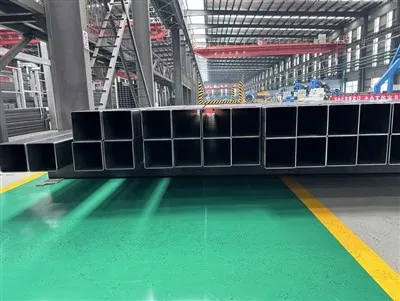
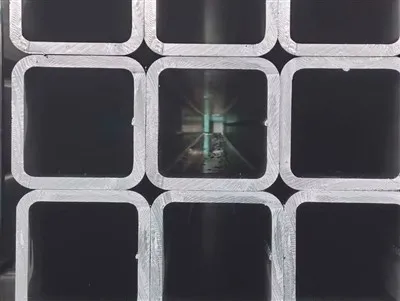
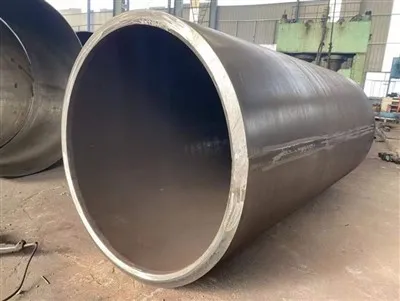
First off, let's talk a bit about what ERW pipes are. ERW stands for Electric Resistance Welded. These pipes are made by rolling a steel strip and then welding the edges together using an electric current. They're widely used in various industries, like construction, plumbing, and oil and gas. We offer a range of ERW pipes, including Galvanized Steel Pipe, EN39 SCAFFOLDING PIPE 3.2MM 4.0MM, and ASTM A53 GR.B ERW STEEL PIPE.
Now, back to the main question. Whether special training is required to install ERW pipes depends on a few factors.
Complexity of the Installation
If the installation is a simple DIY project, like setting up a small plumbing system in your home, you might not need special training. Basic knowledge of pipe fitting, using tools like wrenches and pipe cutters, and following some installation guides can get the job done. For instance, if you're just connecting a few pipes for a garden irrigation system, you can probably handle it on your own. You can find plenty of online tutorials that show step - by - step how to measure, cut, and connect ERW pipes.
However, in industrial or large - scale construction projects, things get a lot more complicated. These installations often involve high - pressure systems, complex layouts, and strict safety regulations. In such cases, special training is definitely a must. Workers need to know how to handle the pipes safely, how to make proper welds if required, and how to ensure the whole system is leak - free and up to code.
Safety Considerations
Safety is a huge deal when it comes to installing ERW pipes. Without proper training, there are risks of accidents. For example, if you're working with pipes that will carry hot water or chemicals, you need to know how to insulate them properly to prevent burns or chemical spills. Also, when using power tools for cutting and welding, there's a risk of electric shock or fire if you don't know what you're doing.
Special training programs usually cover safety protocols in detail. They teach workers how to wear the right protective gear, how to handle hazardous materials, and how to operate tools safely. This not only protects the workers but also ensures the long - term integrity of the pipe system.
Code and Standards
Different regions have different codes and standards for pipe installation. These codes are in place to ensure the safety and efficiency of the pipe systems. In some areas, it's actually illegal to install pipes without proper certification. Special training helps installers understand these codes and make sure their work meets all the requirements.
For example, in the construction industry, pipes need to be installed in a way that they can withstand the load and stress of the building. If the installation doesn't meet the code, it could lead to structural problems down the line.
Tools and Equipment
Installing ERW pipes requires the use of specific tools and equipment. While some basic tools like a tape measure and a hand - held pipe cutter are easy to use, more advanced tools like welding machines and hydraulic pipe benders require training.
Welding is a critical part of many ERW pipe installations. A poorly done weld can lead to leaks and structural weaknesses. Special training teaches welders how to set up the welding machine correctly, how to control the heat and the welding speed, and how to inspect the welds for quality.
Industry Experience
Even if you've gone through a training program, industry experience can't be replaced. Working on different projects gives installers a better understanding of how to deal with real - world challenges. For example, they might encounter unexpected obstacles during an installation, like an uneven floor or a hidden pipe. Experienced installers know how to adapt and find solutions.
On the other hand, if you're new to the industry and don't have much experience, special training can give you a solid foundation. It can help you learn the best practices and avoid common mistakes.
So, to sum it up, while simple ERW pipe installations might not require special training, more complex projects definitely do. Special training is important for safety, code compliance, and the proper use of tools and equipment.
If you're in the market for high - quality ERW pipes for your project, whether it's a small DIY job or a large - scale industrial installation, I'd love to talk to you. We have a wide range of ERW pipes that meet different needs and standards. Just reach out, and we can discuss your requirements and how we can help you with your pipe - related projects.


References
- "Pipe Fitting Handbook"
- Industry safety regulations and standards documents