Can rectangular tubes be used in water treatment plants?
As a supplier of rectangular tubes, I've often been asked about the viability of using our products in water treatment plants. This is a crucial question, considering the unique requirements and harsh conditions within these facilities. In this blog, I'll delve into the technical aspects, benefits, and considerations of using rectangular tubes in water treatment plants.
Technical Suitability of Rectangular Tubes
Water treatment plants involve a series of processes, including filtration, sedimentation, disinfection, and distribution. Each of these processes requires a reliable and durable piping system. Rectangular tubes can play a significant role in these operations.
First, let's consider the structural integrity. Rectangular tubes offer excellent strength - to - weight ratios. Their shape provides more surface area compared to circular pipes of the same cross - sectional area, which can be beneficial for applications where support and stability are required. For example, in the construction of support structures for water treatment tanks or in the framework of filtration units, rectangular tubes can withstand heavy loads without excessive deformation.
In terms of material, rectangular tubes are available in a variety of metals, such as carbon steel, stainless steel, and aluminum. Stainless steel rectangular tubes are particularly well - suited for water treatment plants. They have high corrosion resistance, which is essential as water treatment often involves the use of chemicals like chlorine, sulfuric acid, and sodium hydroxide. These chemicals can be highly corrosive to ordinary metals, but stainless steel can resist their effects, ensuring a long service life for the tubes.
Applications in Water Treatment Plants
Support Structures
As mentioned earlier, rectangular tubes are ideal for constructing support structures. Water treatment tanks can be extremely large and heavy, especially those used for sedimentation and storage. Rectangular tubes can be used to build the frames that support these tanks, providing a stable base. The rigid shape of rectangular tubes allows for easy fabrication and assembly, enabling quick installation on - site.
Conveyance Systems
Rectangular tubes can also be used in conveyance systems within the plant. They can be employed to transport water, chemicals, or sludge between different treatment units. For instance, in a filtration system, rectangular tubes can be used to carry the water from the intake to the filtration beds. The flat sides of rectangular tubes can make it easier to connect to other components, such as valves and pumps, compared to circular pipes.
Chemical Dosing Systems
In water treatment, chemicals are added at various stages to purify the water. Rectangular tubes can be used in chemical dosing systems. They can safely transport corrosive chemicals from storage tanks to the treatment process. The smooth interior surface of rectangular tubes made from stainless steel minimizes the risk of chemical buildup and ensures a consistent flow of chemicals.
Comparison with Other Pipe Types
When considering the use of rectangular tubes in water treatment plants, it's important to compare them with other commonly used pipe types, such as circular pipes.
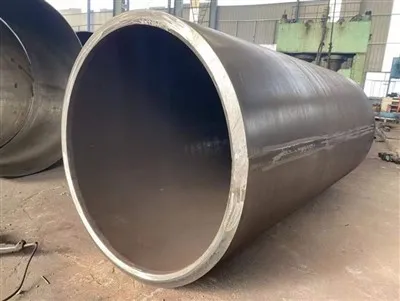
Circular pipes are well - known for their efficient flow characteristics. The circular cross - section provides the least amount of frictional resistance to fluid flow, which can result in lower energy consumption for pumping. However, rectangular tubes have their own advantages. They offer better space utilization, especially in applications where space is limited. In a crowded water treatment plant, rectangular tubes can be arranged more compactly, allowing for a more efficient layout.


Another alternative is square tubes. While square tubes share some similarities with rectangular tubes, rectangular tubes offer more flexibility in terms of aspect ratio. This can be beneficial in applications where different dimensions are required to meet specific design needs.
Product Options from Our Company
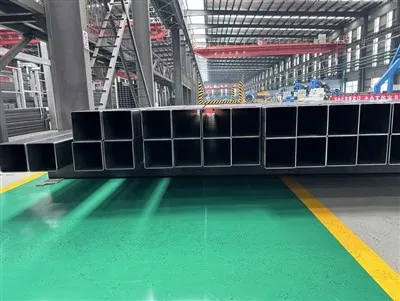
We offer a wide range of rectangular tubes that are suitable for water treatment plants. Our En10210 Hot Finished Structural Hollow Sections are made from high - quality steel and are hot - finished, which enhances their strength and durability. These tubes are available in various sizes and thicknesses, allowing for customization based on the specific requirements of the water treatment plant.
Our ASTM A671 CC70 STEEL PIPE is another excellent option. It meets the ASTM standards, ensuring high - quality and reliable performance. This type of steel pipe is known for its good weldability and corrosion resistance, making it suitable for use in water treatment applications.
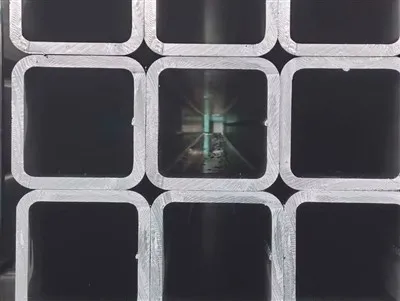
We also provide Cold Formed Hollow Section rectangular tubes. Cold - forming process gives these tubes a smooth surface finish and precise dimensions. They are cost - effective and can be easily fabricated into the required shapes for water treatment plant applications.
Considerations for Using Rectangular Tubes
While rectangular tubes have many advantages for water treatment plants, there are also some considerations to keep in mind.
One of the main concerns is the flow characteristics. Compared to circular pipes, rectangular tubes may have a higher frictional resistance to fluid flow, especially at high flow rates. This can result in increased energy consumption for pumping. However, proper design and sizing of the tubes can help mitigate this issue. By using larger cross - sectional areas or optimizing the flow path, the frictional losses can be reduced.
Another consideration is the cost. Rectangular tubes, especially those made from stainless steel, can be more expensive than some other pipe materials. However, the long - term benefits, such as reduced maintenance and replacement costs due to their corrosion resistance, often outweigh the initial investment.
Conclusion
In conclusion, rectangular tubes can indeed be used in water treatment plants. Their structural integrity, corrosion resistance, and versatility make them a suitable choice for various applications within these facilities. Whether it's for support structures, conveyance systems, or chemical dosing, rectangular tubes can provide reliable performance.
If you're involved in the design, construction, or operation of a water treatment plant and are considering using rectangular tubes, I encourage you to reach out to us. We have the expertise and the product range to meet your specific needs. Contact us to discuss your project requirements and explore how our rectangular tubes can contribute to the success of your water treatment plant.
References
- "Water Treatment Plant Design" by American Water Works Association
- "Corrosion Resistance of Metals in Water Treatment Environments" - Journal of Environmental Engineering
- "Structural Design of Piping Systems for Water Treatment Facilities" - ASCE Publications